Martin Heidegger
Martin Heidegger (1889–1976) was a German philosopher and one of the most influential thinkers of the 20th century, best known for his work Being and Time (Sein und Zeit, 1927), which established a new dimension of ontology – the analysis of being through the existential dimension of man (Dasein). He was born in Messkirch and studied theology and philosophy. He was a professor at the University of Freiburg, where he took over the chair from his mentor Edmund Husserl, the founder of phenomenology.
In Being and Time, Heidegger introduces an existential analysis of human existence, emphasizing the concept of “being towards death” and authenticity. The question of the meaning of being becomes central to his philosophy. Later, he turns to the so-called “late Heidegger”, where he is more concerned with language, poetry and the relationship of man to technology and the essence of being. Works such as What Does It Mean to Think?, Introduction to Metaphysics and The Question of Technology reflect this phase.
Heidegger's philosophy was extremely influential, but his membership in the Nazi Party (NSDAP) in 1933 sparked controversy and ethical debates surrounding his intellectual contributions.
Despite this, he remains a key figure in existentialism, hermeneutics, and contemporary philosophy. His ideas have had a strong influence on thinkers such as Sartre, Derrida, and Gadamer.
Naslovi u ponudi
Der europäische Nihilismus
"Der europäische Nihilismus" zbirka je Heideggerovih predavanja i bilješki iz 1930-ih i 1940-ih, u kojima analizira pojavu i značenje nihilizma u Europi.
Die Frage nach dem Ding
Pitanje o stvari zbirka predavanja koje je Heidegger održao 1935./36., bavi se temeljnim filozofskim pitanjem: Što je stvar?. Polazište mu je Kantova Kritika čistog uma, ali Heidegger ide dalje, želeći razjasniti samu prirodu stvari iz perspektive Bitka.
Die Technik und die Kehre
Tehnika i zaokret zbirka je eseja objavljena 1954., jedno od ključnih Heideggerovih djela o problemu tehnike. Heidegger analizira bit tehnike i upozorava da moderna tehnologija nije samo skup sredstava, nego ima duboku ontološku dimenziju.

Hebel der Hausfreund
"Hebel – der Hausfreund" temelji se na predavanju koje je Martin Heidegger održao 1957. godine, u kojem promišlja lik i djelo njemačkog pisca Johanna Petera Hebela.
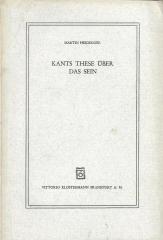
Kants these über das Sein
Kant's Thesis on Being, a lecture given by Martin Heidegger in 1930, focuses on an analysis of Kant's claim that Being is in fact a positing (Setzung) – that is, the act of positing or affirming through judgment.
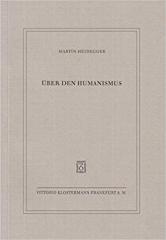
Über den Humanismus
In "Letter on Humanism" (1947), Martin Heidegger answers Jean Beaufret's question about the meaning of humanism, presenting a critical stance towards traditional humanism and offering a new understanding of human existence.


Vorträge und Aufsätze
Zbirka objavljena 1954., okuplja neka od najvažnijih Heideggerovih kraćih tekstova iz njegovog srednjeg i kasnog razdoblja. U tim tekstovima Heidegger razvija ključne ideje o tehnici, umjetnosti, jeziku i odnosu čovjeka prema Bitku.