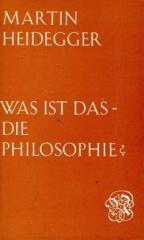
Martin Heidegger
Martin Heidegger (1889. – 1976.) bio je njemački filozof i jedan od najutjecajnijih mislilaca 20. stoljeća, poznat po svom djelu Bitak i vrijeme (Sein und Zeit, 1927.), koje je utemeljilo novu dimenziju ontologije – analizu bivstvovanja kroz egzistencijalnu dimenziju čovjeka (Dasein). Rođen je u Messkirchu, a studirao je teologiju i filozofiju. Bio je profesor na Sveučilištu u Freiburgu, gdje je preuzeo katedru nakon svog mentora Edmunda Husserla, osnivača fenomenologije.
U Bitku i vremenu, Heidegger uvodi egzistencijalnu analizu ljudskog postojanja, naglašavajući pojam „bivstvovanje prema smrti“ i autentičnost. Pitanje smisla bitka postaje središnje u njegovoj filozofiji. Kasnije se okreće tzv. „kasnom Heideggeru“, gdje se više bavi jezikom, poezijom i odnosom čovjeka prema tehnici i biti bića. Djela poput Što znači misliti?, Uvod u metafiziku i Pitanje o tehnici odražavaju tu fazu.
Heideggerova filozofija bila je iznimno utjecajna, no njegovo članstvo u nacističkoj stranci (NSDAP) 1933. izazvalo je kontroverze i etičke rasprave koje prate njegov intelektualni doprinos.
Unatoč tome, ostaje ključna figura u egzistencijalizmu, hermeneutici i suvremenoj filozofiji. Njegove ideje snažno su utjecale na mislioce poput Sartrea, Derride i Gadamera.
Djela:
- Bitak i vrijeme (Sein und Zeit, 1927.)
- Kant i problem metafizike (Kant und das Problem der Metaphysik, 1929.)
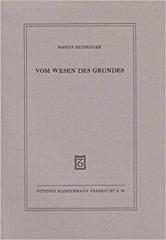
- O bîti razloga (Vom Wesen des Grundes, 1929.)
- Što je metafizika? (Was ist Metaphysik?, 1929.)
- O bîti istine (Vom Wesen der Wahrheit, 1943.)
- Objašnjenja o Hölderlinovu pjesništvu (Erläuterungen zu Hölderlins Dichtung, 1944.)
- Platonov nauk o istini: s pismom o humanizmu (Platons Lehre von der Wahrheit: mit einem Brief über den Humanismus, 1947.)
- Šumski putovi (Holzwege, 1950.)
- Uvod u metafiziku (Einführung in die Metaphysik, 1953.)
- Što znači misliti? (Was heißt denken?, 1954.)
- Predavanja i članci (Vorträge und Aufsätze, 1957.)
- Identitet i razlika (Identität und Differenz, 1957.)
- Stavak razloga (Der Satz vom Grund, 1957.)
- Opuštenost (Gelassenheit, 1959.)
- Na putu k jeziku (Unterwegs zur Sprache, 1959.)
- Nietzsche (I–II, 1961.)
- Pitanje o stvari (Die Frage nach dem Ding, 1962.)
- Putokazi (Wegmarken, 1967.)
- K stvari mišljenja (Zur Sache des Denkens, 1969.)
- Sveukupno izdanje (Gesamtausgabe, od 1975.)
Titel im Angebot
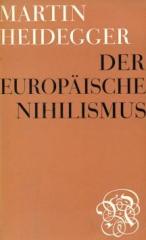
Der europäische Nihilismus
"Der europäische Nihilismus" zbirka je Heideggerovih predavanja i bilješki iz 1930-ih i 1940-ih, u kojima analizira pojavu i značenje nihilizma u Europi.
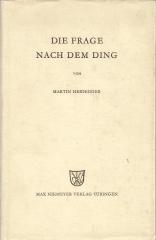
Die Frage nach dem Ding
Pitanje o stvari, zbirka predavanja koje je održao Hajdeger 1935/36, bavi se osnovnim filozofskim pitanjem: Šta je stvar? Njegovo polazište je Kantova Kritika čistog razuma, ali Hajdeger ide dalje, želeći da razjasni samu prirodu stvari iz perspektiv
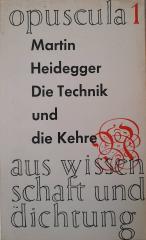
Die Technik und die Kehre
Tehnika i zaokret je zbirka eseja objavljena 1954. godine, jedno od Hajdegerovih ključnih dela o problemu tehnike. Hajdeger analizira suštinu tehnike i upozorava da savremena tehnologija nije samo skup sredstava, već ima duboku ontološku dimenziju.
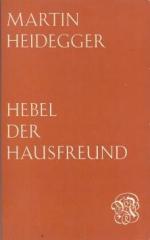
Hebel der Hausfreund
„Hebel – der Hausfreund“ je zasnovan na predavanju Martina Hajdegera 1957. godine, u kojem se osvrće na lik i delo nemačkog pisca Johana Petera Hebela.
Kants these über das Sein
Kants These über das Sein, eine Vorlesung von Martin Heidegger aus dem Jahr 1930, konzentriert sich auf eine Analyse von Kants Behauptung, dass das Sein in Wirklichkeit eine Setzung sei – das heißt der Akt des Setzens oder Bestätigens durch Urteil.
Über den Humanismus
Martin Heidegger u „Pismu o humanizmu“ (1947.) odgovara na pitanje Jeana Beaufreta o značenju humanizma, iznoseći kritički stav prema tradicionalnom humanizmu i nudeći novo razumijevanje čovjekova bitka.
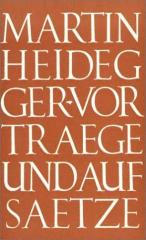
Vorträge und Aufsätze
Zbirka, objavljena 1954. godine, objedinjuje neke od najvažnijih Hajdegerovih kraćih tekstova iz njegovog srednjeg i poznog perioda. U ovim tekstovima Hajdeger razvija ključne ideje o tehnologiji, umetnosti, jeziku i odnosu čoveka prema Biću.