Miroslav Krleža
Miroslav Krleža (7. Juli 1893 – 29. Dezember 1981) war einer der bedeutendsten kroatischen Schriftsteller des 20. Jahrhunderts – ein Dichter, Romanautor, Dramatiker, Essayist und Enzyklopädist. Er wurde in Zagreb geboren und besuchte die österreichisch-ungarische Militärakademie, widmete sich jedoch schnell der Literatur und intellektuellen Aktivitäten. Er war ein scharfer Kritiker sozialer Ungerechtigkeit, Kleinbürgertums und politischen Opportunismus, die einen Großteil seiner Literatur kennzeichneten.
Sein Werk umfasst ein breites Spektrum an Genres. Bemerkenswert sind der Romanzyklus über die Glembays (Die Glembays, In Agonie, Leda) und der epische Roman Die Rückkehr von Filip Latinovicz (1932). Er schrieb auch Essays, Tagebücher, Kritiken, enzyklopädische Artikel und Gedichte, beispielsweise die aus der Sammlung Pan.
Krležas Stil zeichnet sich durch einen reichen Wortschatz, komplexe Sätze, intellektuelle Tiefe und ironische Distanz aus. Er war eine Schlüsselfigur der kroatischen Kultur und einer der Gründer des Lexikografischen Instituts (heute Lexikografisches Institut Miroslav Krleža). Trotz politischem Druck blieb er seiner intellektuellen Autonomie treu.
Krležas Erbe ist aus dem kroatischen Kanon nicht wegzudenken und unverzichtbar für das Verständnis der Moderne und des historischen Schicksals Kroatiens und Mitteleuropas.
Naslovi u ponudi
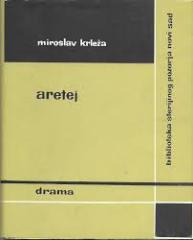
Aretej: drama
Krležas Drama mit einem ausführlichen Nachwort von Branko Hećimović, biobibliografischen Beiträgen von Slavko Batušić und Fotos von Szenen aus „Areteja“, aufgeführt vom Nationaltheater Belgrad.
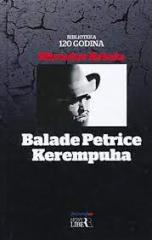
Balade Petrice Kerempuha
Miroslav Krležas größtes poetisches Werk und eines der bedeutendsten Werke der kroatischen Literatur. Die Balladen vereinen Satire, Ironie und lyrisch-folkloristische Elemente zu einer Anklage gegen die Gewalt und Dummheit der Regierungen im Laufe der Jah
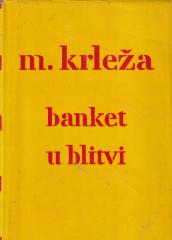
Banket u blitvi: Roman u tri knjige
Radnja je smještena u Blitvu, fiktivnu zemlju na sjeveroistoku Europe, koja je nakon stoljeća tuđinske vlasti i političke nestabilnosti postala samostalna država pod diktatorskom vlašću okrutnog poručnika Barutanskog.
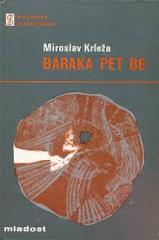
Baraka Pet Be i druge novele
Zbirka "Baraka Pet Be i druge novele" donosi izbor Krležinih antiratnih novela iz razdoblja 1916–1920-ih, s fokusom na besmisao Prvog svjetskog rata, patnju domobrana i propast Austro-Ugarske.
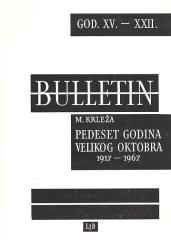
Bulletin - Pedeset godina Velikog oktobra 1917. - 1967.
U “Pedeset godina Velikog oktobra 1917.–1967.” Miroslav Krleža piše o Oktobarskoj revoluciji iz perspektive pisca koji joj je idejno blizak, ali koji se nikada nije suglasio s njezinim pretvaranjem u sustav rigidnih istina.

Članci i polemike 1: Ratne teme
A collection of Krleža's journalistic texts, commentaries and analyses written during and immediately after World War I, important for understanding his intellectual development and the basis for his later works.
Članci i polemike 2: Sa uredničkog stola
The collection Articles and Polemics 2: From the Editorial Desk includes essays, criticisms, and polemical texts written during Krleža's engagement as editor of various literary magazines, such as Književna republika and Pečate.
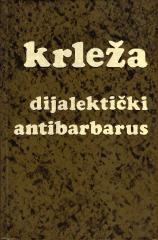
Dijalektički antibarbarus
Krleža's most famous polemical text, in which he sharply attacks dogmatic vulgar Marxism and bad tendentious literature within the left, defending artistic freedom and intellectual autonomy. The culmination of the conflict on the literary left.
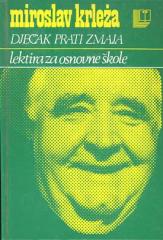
Dječak prati zmaja
"The Boy Follows the Dragon" is a book that takes us on a fantastic journey and encourages us to think about life and the world in a different way.
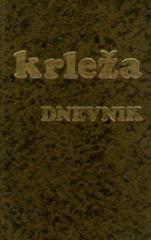
Dnevnik 1: Dnevnik 1914 - 17 (Davni dani I)
Dnevnik iz 1914–17. beleži Krležine zapise iz Prvog svetskog rata: lične dileme, pacifizam, sukob sa militarizmom Monarhije i intelektualno sazrevanje u godinama sloma starog sveta.