Miroslav Krleža

Miroslav Krleža (July 7, 1893 – December 29, 1981) was one of the most important Croatian writers of the 20th century – a poet, novelist, playwright, essayist and encyclopedist. He was born in Zagreb, educated at the Austro-Hungarian Military Academy, but quickly devoted himself to literature and intellectual activity. He was a strong critic of social injustice, petty bourgeoisie and political opportunism, which characterized much of his literature.
His work covers a wide range of genres. The most notable are the novel series about the Glembays (Gospoda Glembayev, U agoniji, Leda), and the epic novel The Return of Filip Latinovicz (1932). He also wrote essays, diaries, criticism, encyclopedic articles and poems such as those from the collection Pan.
Krleža's style is characterized by a rich vocabulary, complex sentences, intellectual depth and ironic distancing. He was a key figure in Croatian culture and one of the founders of the Lexicographic Institute (today LZ Miroslav Krleža). Despite political pressures, he remained faithful to intellectual autonomy.
Krleža's legacy is indispensable in the Croatian canon and indispensable in understanding modernity and the historical destiny of Croatia and Central Europe.
Naslovi u ponudi
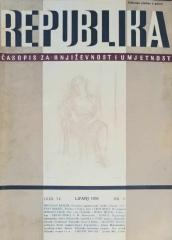





Simfonije
Minerva je početkom tridesetih počela s objavljivanjem sabranih djela Miroslava Krleže. Planirano je objavljivanje osamnaest knjiga, a nakon policijskih pritisaka, završilo se sa devet objavljenih naslova.

Simfonije
Simfonije (1933) su ciklus od šest velikih Krležinih pesama. Rane, vitalističke, panteističke pesme nabijene bujnim ritmom, senzualnim slikama i ekstatičnim doživljajem prirode i života.


Zastave 1-5
Zastave prate burno razdoblje hrvatske povijesti 1912.-1922. kroz obiteljski obračun oca i sina Emeričkih, ali obiteljska priča je samo podloga za problematiziranje hrvatske, srpske, makedonske i albanske nacionalne sudbine tijekom raspada Austro–Ugarske.
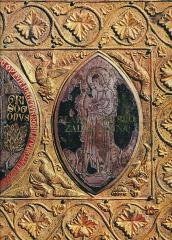
Zlato i srebro Zadra i Nina
Kritički esej i predgovor izložbi u kojem Miroslav Krleža kroz povijest sakralnog zlata i srebra Zadra i Nina slavi hrvatsku kulturnu baštinu, identitet i stoljetni otpor tuđinskim utjecajima.