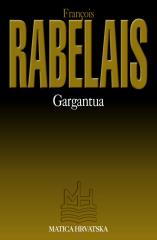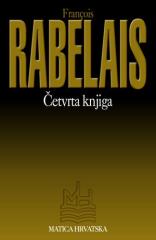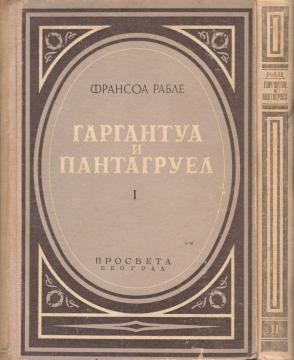
Gargantua i Pantagruel
Rabelais' Meisterwerk, ein fünfbändiger Romanzyklus, der die Abenteuer des Riesen Gargantua und seines Sohnes Pantagruel verfolgt. Vinaver, bekannt für seine sprachliche Virtuosität, vermittelt meisterhaft Rabelais' verschwenderischen Humor, seine pikante
Das Werk umfasst einen Zyklus von fünf Büchern, die Satire, Groteske und humanistische Ideen verbinden. Im Geiste des Optimismus der Renaissance geschrieben, folgen die Bücher den Abenteuern des Riesen Gargantua und seines Sohnes Pantagruel und verweben dabei Humor, Philosophie und Kritik an gesellschaftlichen Normen. Rabelais parodiert mittelalterliche Scholastik, kirchlichen Dogmatismus und feudale Strukturen und nutzt üppige Sprache, Obszönitäten und Sprachspiele, um Leben und Gedankenfreiheit zu feiern.
Im ersten Buch, Pantagruel (1532), begegnen wir Pantagruel, einem unter wundersamen Umständen geborenen Riesen, dessen Erziehung und die Kameradschaft mit Panurge, einem listigen Freund, zu komischen und philosophischen Debatten führen. Gargantua (1534) schildert das Leben von Pantagruels Vater, verspottet eine akribische Erziehung und propagiert das humanistische Ideal eines ausgeglichenen Geistes und Körpers. Das dritte Buch (1546) konzentriert sich auf Panurges Ehedilemma und behandelt die Themen Freiheit und Schicksal in geistreichen Dialogen. Das vierte (1552) und fünfte Buch (1564, teilweise Rabelais zugeschrieben) folgen Pantagruels und Panurges Reise zum Orakel der Heiligen Flasche und parodieren epische Reisen und religiösen Fanatismus. Rabelais' „Pantagruelismus“ feiert die Lebensfreude und kritisiert gleichzeitig Heuchelei und Dummheit.
Vinavers Übersetzung ist ein Meisterwerk der serbischen Literatur. Als Dichter und Übersetzer vermittelt Vinaver meisterhaft Rabelais’ sprachliche Vielschichtigkeit und bewahrt dabei seinen Humor, seine vulgären Witzeleien und philosophischen Nuancen. Seine Wortschöpfungen wie „vasionska vitlarija“ oder „Šupeljko“ verleihen dem Text eine lokale Note und passen ihn an den Leser an. In seinem Vorwort betont Eli Finci Vinavers Fähigkeit, den „Wortschwall“ und die Vitalität des Originals einzufangen.
Obwohl Vinaver teilweise für seine angeblich übertriebene Vulgarität kritisiert wurde, zeigt die Analyse, dass er Rabelais’ ambivalenten Sprachgebrauch, in dem Schimpfwörter als satirische Waffen dienen, getreu wiedergibt. Diese Übersetzung ist, obwohl fünf Jahrzehnte alt, nach wie vor lebendig und relevant. Sie macht Rabelais’ Werk für moderne Leser zugänglich und attraktiv und bewahrt gleichzeitig den Geist und die Gesellschaftskritik der Renaissance.
Knjiga se sastoji od dva toma.
Jedan višetomni primjerak je u ponudi.
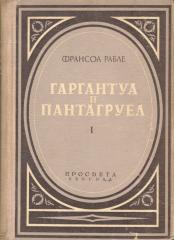
- Die Abdeckung fehlt
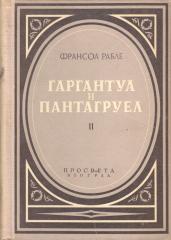
- Die Abdeckung fehlt