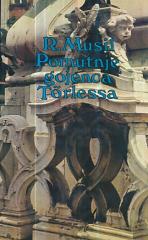
Pomutnje gojenca Torlessa
Robert Musils Roman aus dem Jahr 1906, der in einem Elite-Militärinternat am Rande der österreichisch-ungarischen Monarchie spielt, ist ein Meisterwerk Musils, das von den eigenen Erfahrungen des Autors inspiriert ist und den Aufstieg des Faschismus, die
Der Protagonist, der sensible Jugendliche Törless aus einer Adelsfamilie, kommt voller Heimweh und innerer Zerrissenheit in dieser geschlossenen Anstalt an. Umgeben von strengen Regeln und einem Männerkollektiv erlebt er pubertäre Verwirrung, sexuelles Erwachen und moralische Dilemmata.
Törless freundet sich mit zwei Mitschülern an: dem ehrgeizigen und grausamen Reiting und dem mystischen, okkulten Beineberg. Gemeinsam entdecken sie, dass ihr Kollege Basini Geld stiehlt. Anstatt es den Erwachsenen zu melden, beschließen sie, ihn selbst zu bestrafen – angefangen mit Erpressung und Mobbing, die zu sadistischer Folter, körperlicher Gewalt und homosexuellem Missbrauch auf dem Dachboden der Schule eskalieren. Basini, schwach und passiv, erträgt alles und wird zum Opfer ihrer Macht- und Lustexperimente.
Törless bleibt, anders als seine aktiven Freunde, Beobachter – tief in sich gekehrt, aber gelähmt. Er ist fasziniert von Basinis Verletzlichkeit und seiner eigenen Anziehung zu ihm, gleichzeitig aber abgestoßen von seiner Schwäche. Er versucht, die Gewalt durch philosophische Spekulationen über den Unterschied zwischen Vernunft und Irrationalität, Licht und Schatten in der Seele zu rationalisieren. Erlebnisse mit der örtlichen Prostituierten Božena und Gespräche mit einem Mathematikprofessor verstärken seine „Verwirrungen“ – ein Gefühl der Entfremdung von der Welt – noch weiter.
Als die Gewalt unerträglich wird, rät Törleß Basini heimlich, sich beim Direktor zu melden. Es folgt eine Untersuchung: Basini wird bestraft und der Schule verwiesen, während Törleß die Erwachsenen mit einer beeindruckenden Rede über existenzielle Leere („Dinge passieren einfach“) mit seiner intellektuellen Tiefe beeindruckt. Sie erklären ihn für zu sensibel für das Internat und schicken ihn nach Hause auf eine Privatschule. Der Roman endet mit Törleß' Rückkehr, allerdings ohne eine vollständige Lösung – nur mit einer tieferen Erkenntnis der Heuchelei der Gesellschaft, unterdrückter Triebe und der Unmöglichkeit einer absoluten Ethik.
Angeboten wird ein Exemplar