Zagaljeni životi
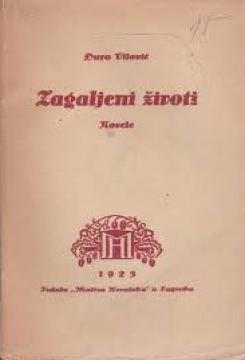
Zagaljeni životi (1923) is a collection of short stories published by Matica hrvatska. Early stories marked by psychological portraits, erotic charge, social criticism and motifs of personal crisis, typical of Vilović's controversial opus.
Đuro Vilović (1889–1958) published the collection Zagaljeni životi: novele in 1923 in Zagreb. It is one of his first significant collections of short stories, published the same year as the novel Međimurje, during the period when Vilović, after leaving the Catholic priesthood, was intensively entering literary life.
The title Zagaljeni životi suggests lives that are “zagaljeni” — suppressed, deprived, embittered or hidden — which reflects the main themes of the collection: internal conflicts of individuals, repressed passions, social hypocrisy and the impossibility of authentic living within strict norms (especially civil and church). The stories deal with love dramas, sexual urges, moral dilemmas and the fates of people who do not fit into their environment, often with an autobiographical overtone.
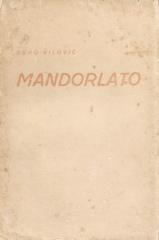
Vilović's style in this collection ranges between realism, psychological prose and mild naturalism. He writes dynamically, in accessible language with emphasized dialogues and emotional intensity, which brought him a wide readership. As in other early works (Mandorlato 1924), erotic and anticlerical motifs are visible here that would later become his trademark and the source of numerous polemics.
The collection belongs to the early period of the author's work (after Estete 1919), when Vilović was not yet so politically radical, but was already developing a recognizable approach to the themes of forbidden love, the priestly crisis and the conflict of the individual with the patriarchal society. It was received by critics in a mixed way — his storytelling skill and popularity with the audience were praised, while conservative circles criticized his "immorality" and openness in the depiction of sexuality.
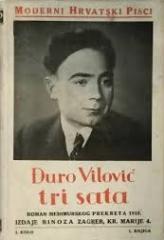
Zagaljeni životi is today a rare antiquarian edition and a poorly studied part of Vilović's oeuvre. Together with Mandorlat, it forms an important part of his novelistic production from the 1920s, preceding more famous novels such as Majstora duša (1931) and Tri sata (1935).
One copy is available
- Traces of patina
- Library stamp