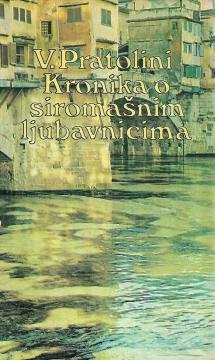
Kronika o siromašnim ljubavnicima

Kronika o siromašnim ljubavnicima

Vasco Pratolini

In Florence 1925–1926, in the poor Via del Corno, the residents live in love, poverty and fear. The arrival of fascism destroys the community: lovers fight, some die from violence, but popular solidarity survives.

“Chronicle of the Poor Lovers” (1947) by Vasco Pratolini is a classic neorealist work of Italian post-war literature. The novel is a choral depiction of life in the Florentine via del Corno – a narrow, poor street near the city center – between 1925 and 1926, during the rise and consolidation of the fascist regime.

The story revolves around the residents of the street (the so-called “cornacchiai”): workers, artisans, small merchants and their families. The main characters are young couples like Mario and Milena (pure, idealistic love), the sensual relationships of Aurora and the coal miner Nesio, and others – Bianca, Clara, Maciste, Ugo. Life is marked by poverty, interconnectedness (everyone knows everything about everyone), loves, quarrels and fear.

Pratolini subtly weaves in the historical context: the rise of fascism brings violence (manganelli, squadristi), blackmail, fear and division. Characters like the fascists Carlin and Osvaldo, the “Signore” (a former courtesan who controls property and collaborates with the regime) or anti-fascists like Maciste illustrate the conflict. The violence culminates in the death of some characters (e.g. Maciste killed by the fascists), the suffering of women and the destruction of balance.

The novel uses the technique of “chronicle” in the historical present, which gives a sense of eternity and immediacy. Without pathos, realistic and lyrical, it depicts the solidarity of the poor, resistance to fascism from below and love as a refuge in darkness. One of the most important works of neorealism, translated into Serbian/Croatian as “Chronicle of Poor Lovers” (e.g. Liber, Zagreb 1982), filmed in 1954 (dir. Carlo Lizzani).

Original title
Cronache di poveri amanti
Translation
Ante Velzek
Editor
Nikica Petrak
Graphics design
Alfred Pal
Dimensions
21 x 13 cm
Pages
430
Publisher
Sveučilišna naklada Liber (SNL), Zagreb, 1982.
 
Latin alphabet. Hardcover with dust jacket.
Language: Croatian.

One copy is available

Condition:Used, very good condition
Damages or inconvenience notice:
  • Blago oštećenje omota
  • Oštećene korice
 

Are you interested in another book? You can search the offer using our search engine or browse books by category.

You may also be interested in these titles

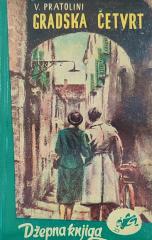
Gradska četvrt

Gradska četvrt

Vasco Pratolini

U Firenci, 1932–1939, u siromašnom naselju Santa Kroče, grupa mladića prolazi kroz prve ljubavi, svađe, prijateljstva i sazrevanje. Fašizam se širi, ali oni doživljavaju trenutke radosti i čežnje na uličnom životu, formirajući svest o društvu i politici

Džepna knjiga, 1956.
Serbian. Latin alphabet. Paperback.
2.48
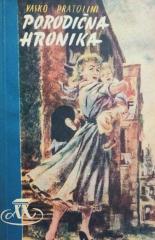
Porodična hronika

Porodična hronika

Vasco Pratolini

Radnja knjige „Porodična hronika” Vaska Pratolinija smeštena je u Firencu u Italiji i prati život porodice Martini u periodu između dva svetska rata.

Džepna knjiga, 1956.
Croatian. Latin alphabet. Paperback.
2.76
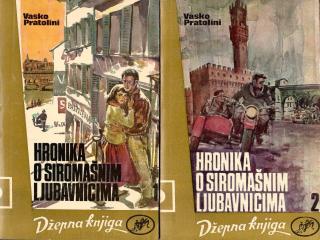
Hronika o siromašnim ljubavnicima

Hronika o siromašnim ljubavnicima

Vasco Pratolini

U Firenci 1925–1926, u siromašnoj ulici Via del Korno, stanovnici žive u ljubavi, siromaštvu i strahu. Dolazak fašizma uništava zajednicu: ljubavnici se svađaju, neki ginu od nasilja, ali narodna solidarnost opstaje.

Svjetlost, 1966.
Serbian. Latin alphabet. Paperback.
The book consists of two volumes
4.56
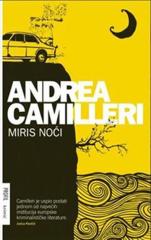
Miris noći

Miris noći

Andrea Camilleri

The Scent of the Night (2001) is part of the Inspector Salvo Montalbano series. Set in the fictional Sicilian town of Vigàtu, the novel combines crime intrigue with Camilleri's signature humor, social commentary, and vivid depictions of Sicily.

Profil Knjiga, 2011.
Croatian. Latin alphabet. Paperback.
9.32 - 11.36
Zmijsko leglo

Zmijsko leglo

Andrea Camilleri

Zmijsko leglo (2008.) dio je serijala o inspektoru Salvu Montalbanu. Smješten u izmišljeni sicilijanski grad Vigàtu, roman spaja kriminalističku napetost, psihološku dubinu i Camillerijev prepoznatljivi humor, uz kritiku društvenih problema Sicilije.

Profil Knjiga, 2014.
Croatian. Latin alphabet. Paperback.
8.36