Veliko proljeće
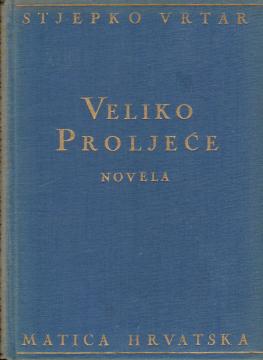
Veliko proljeće (1933.) prikazuje buđenje i preporod hrvatskog sela i malog čovjeka u međuratnom razdoblju – simbolički prikaz nacionalnog i društvenog proljeća, seljačkog pokreta i osobnog sazrijevanja glavnog junaka.
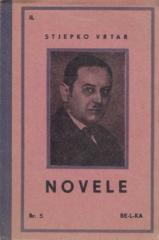
Stjepko Vrtar (1890.–1945.?), hrvatski književnik i financijski stručnjak, aktivist Seljačke sloge, objavio je novelu Veliko proljeće 1933. godine u izdanju Matice hrvatske (Naklada Pramatice). Djelo pripada socijalno angažiranoj prozi međuratnog razdoblja s naglašenim narodnjačkim i seljačkim motivima.
Novela kroz sudbinu mladog seljaka ili intelektualca iz sela prikazuje buđenje hrvatskog naroda u 1930-ima. Autor opisuje teške životne uvjete, siromaštvo, politički pritisak i nacionalno pitanje, ali i nadu u bolje sutra – „veliko proljeće“ kao metaforu narodnog preporoda, jačanja seljačkog pokreta (HSS) i duhovnog buđenja. Vrtar spaja realistički prikaz seoskog života s lirskim i idealističkim pasažima, ističući teme pravde, obrazovanja, solidarnosti i ljubavi prema zemlji i narodu.
Stil je pristupačan, topao i angažiran, tipičan za književnost blisku Seljačkoj slozi. Djelo odiše optimizmom i vjerom u snagu običnog čovjeka, unatoč teškim društvenim prilikama Kraljevine Jugoslavije. Kritika je primijetila autentičnost u prikazu seoskog mentaliteta i socijalnih problema.
Veliko proljeće je relativno rijetko antikvarno izdanje i predstavlja zanimljiv primjer književnosti hrvatskog seljačkog pokreta u međuratnom razdoblju. Danas se čita kao dokument vremena i svjedočanstvo o nacionalnim i socijalnim nadama 1930-ih.
One copy is available