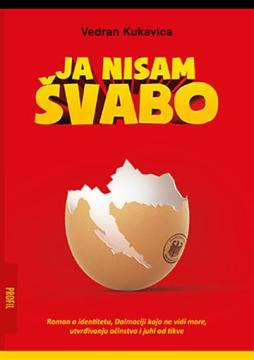
Ja nisam Švabo
Ein Roman über Identität, Dalmatien ohne Meer, Vaterschaftsfragen und Kürbissuppe: „Ich bin kein Švabo“ ist der Debütroman des Fernsehjournalisten, Wirtschaftskommentators und Schriftstellers Vedran Kukavica.
Die Geschichte dreht sich um Eugen Udo Schläger, einen Maschinenbauingenieur, Orientierungslauf-Champion und Schmetterlingsliebhaber aus Trudinger. Nach dem Tod seiner Mutter findet Udo einen Brief von ihr, in dem sie ihm offenbart, dass sein Vater nicht der Deutsche Eugen Schläger ist, der ihn aufgezogen hat, sondern Tvrtko Batina aus dem Dorf Batina in der dalmatinischen Zagora. Udo reist unter dem Deckmantel eines ausländischen Investors, der Windmühlen bauen will, nach Kroatien – der beste Weg, um in dem kleinen Ort gut aufgenommen zu werden.
Doch in Batina (Velika und Gornja Batina) verkomplizieren sich die Dinge: Es gibt dort nicht nur einen Tvrtko Batina, sondern mehrere, und niemand will das Geheimnis lüften, warum seine Mutter Eva, eine Lehrerin aus dem Ort, Ende der 1980er-Jahre schwanger nach Deutschland floh. Der Roman spielt sich innerhalb weniger Tage ab und ist voller urkomischer Situationen, Dialoge im dalmatinisch-zagorjischen Dialekt und dem Aufeinanderprallen zweier Mentalitäten: der ordentlichen, globalisierten „Skvaba“ und der eigensinnigen, findigen „New-Age-Morlaks“, die sich nur das nehmen, was ihnen von der modernen Welt passt.
Kukavica schreibt meisterhaft einen humorvollen, pointierten und bisweilen frechen Roman, der Batina und seine Bewohner gleichermaßen verherrlicht und auf charmante Weise persifliert. In der Geschichte untersucht er Themen wie Identität, Wurzeln, Vaterschaft, Blut und Genetik („Blut ist nicht Wasser“), aber auch übergreifende gesellschaftliche Themen – vom Kroatien im Wandel bis zum Konflikt zwischen Tradition und Globalisierung. Frauen im Roman geben oft den Anstoß zur Handlung und haben trotz der scheinbaren männlichen Dominanz das Sagen.
Kritiker verglichen den Roman oft mit den Werken von Iwan Raos (Die Bettler und die Söhne), und die Leser waren schnell begeistert von seiner authentischen Sprache, seinem Witz und den wiedererkennbaren Charakteren. Kukavica, der den Roman mit fünfzig Jahren „ohne große Ambitionen“ schrieb, schuf einen lebendigen, dynamischen und universellen Text, der sich in einem Zug lesen lässt.
Ich bin kein Schwabe ist ein humorvoller, warmherziger und intelligenter Roman, der zeigt, dass die Suche nach der eigenen Identität oft ein urkomisches, schmerzhaftes und befreiendes Abenteuer ist. Das Buch wurde gut aufgenommen, mehrfach vergriffen und regte Diskussionen über eine mögliche Verfilmung oder Theateradaption an. Die Geschichte wurde später in dem Roman Junge Messe fortgesetzt.
One copy is available