Institut za povijest umjetnosti Sveučilišta u Zagrebu
Zagreb
Croatia
Titles in our offer
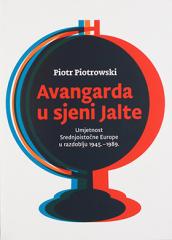
Avangarda u sjeni Jalte: umjetnost Srednjoistočne Europe u razdoblju 1945.–1989.
Eine komplexe Studie zur Kunstproduktion im Raum zwischen dem „Eisernen Vorhang“ und den Grenzen der ehemaligen Sowjetunion, die die Ereignisse in der Kunstszene Bulgariens, der Tschechoslowakei, Deutschlands, Ungarns, Polens, Rumäniens und des ehemaligen
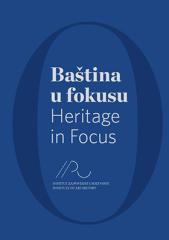
Baština u fokusu – 50 godina Instituta za povijest umjetnosti u Zagrebu (1961.–2011.)
Ova knjiga, kao dvojezično izdanje (hrvatsko-englesko), namijenjena je stručnoj i široj javnosti, odnosno svim zainteresiranim čitateljima koji se zanimaju za umjetničko naslijeđe Hrvatske.
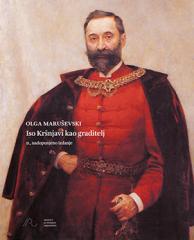
Iso Kršnjavi kao graditelj – izgradnja i obnova obrazovnih, kulturnih i umjetničkih spomenika u Hrvatskoj
Unthinkable without Strossmayer, possible after Mažuranić, and during Khuen's era it couldn't have been any different - the right man at the right time. Second edition.
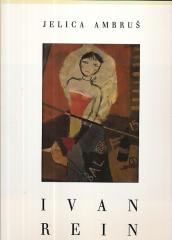
Ivan Rein
The major monograph *Ivan Rein* by Jelica Ambruš presents a thorough professional assessment and an overview of the life and oeuvre of this forgotten Croatian painter.
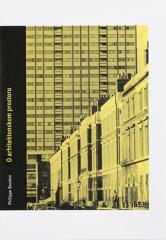
O arhitektonskom prostoru: eseji o epistemologiji arhitekture
Philippe Boudon, architect and theoretician of architecture, is the originator of the scientific discipline called architecturology, which aims to understand architecture from the point of view of scale and proportion.
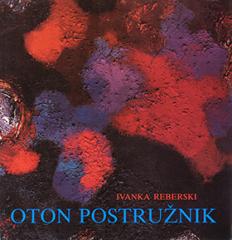
Oton Postružnik: u znaku likovne preobrazbe
With this monograph, Oton Postružnik justifiably asserts himself as one of the most significant protagonists of Croatian modern painting.
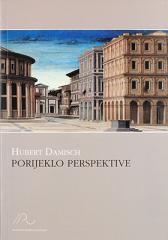
Porijeklo perspektive
The author deals with questioning the perspective. From the usual consideration of perspective as an optical and symbolic problem, it enters a wider interdisciplinary intellectual structure typical of the contemporary approach to cultural problems.
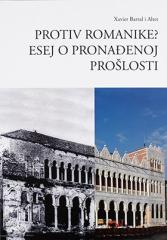
Protiv romanike? Esej o pronađenoj prošlosti
In this book, the very concept of Romanesque and Romanesque art is questioned, its roots are explored, and above all, its historiographic genesis is placed in the peculiar cultural context of the first half of the 19th century.
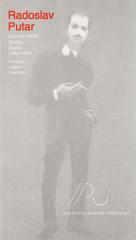
Radoslav Putar: Likovne kritike, studije i zapisi 1950.‒1960.