Miroslav Krleža
Miroslav Krleža (7. jul 1893 – 29. decembar 1981) bio je jedan od najznačajnijih hrvatskih pisaca 20. veka – pesnik, romanopisac, dramaturg, esejista i enciklopedista. Rođen je u Zagrebu, školovao se na Austrougarskoj vojnoj akademiji, ali se brzo posvetio književnosti i intelektualnoj delatnosti. Bio je snažan kritičar društvene nepravde, sitne buržoazije i političkog oportunizma, što je karakterisalo veliki deo njegove književnosti.
Njegov rad obuhvata širok spektar žanrova. Ističu se romaneskni ciklus o Glembajevima (Glembajevi, U agoniji, Leda) i epski roman Povratak Filipa Latinoviča (1932). Pisao je i eseje, dnevnike, kritike, enciklopedijske članke i pesme poput onih iz zbirke Pan.
Krležin stil karakteriše bogat rečnik, složene rečenice, intelektualna dubina, ironično distanciranje. Bio je ključna ličnost hrvatske kulture i jedan od osnivača Leksikografskog zavoda (danas Leksikografski zavod Miroslav Krleža). Uprkos političkim pritiscima, ostao je veran intelektualnoj autonomiji.
Krležina zaostavština nezaobilazna je u hrvatskom kanonu i nezaobilazna u razumevanju modernosti i istorijske sudbine Hrvatske i srednje Evrope.
Naslovi u ponudi
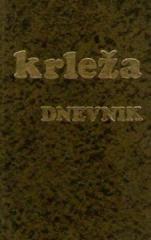
Dnevnik 2: Dnevnik 1918-22 (Davni dani II)
„Dnevnik 1918–22“ beleži Krležine zapise iz posleratnih godina obeleženih slomom Monarhije, nastankom nove države, političkim prelomima i njegovom sve oštrijom kritikom društva, intelektualaca i ideoloških iluzija.
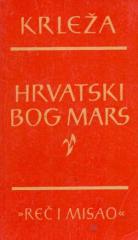
Hrvatski bog Mars
Hrvatski bog Mars donosi sedam antiratnih romana u kojima Krleža prikazuje rat kao surovu, besmislenu mašineriju koja uništava „malog čoveka“, razotkrivajući licemerje militarizma i mitove o herojstvu.
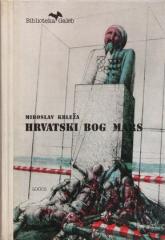
Hrvatski bog Mars
Najpoznatija Krležina zbirka pripovjedaka Hrvatski bog Mars dio je zamišljenog ciklusa književnih djela na temu Prvog svjetskog rata i hrvatskih domobrana.
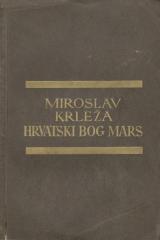
Hrvatski bog Mars
Zbirka kratkih priča Hrvatski bog Mars Miroslava Krleže jedno je od najznačajnijih antiratnih djela hrvatske književnosti. Prvi put je objavljen 1922. godine, zatim 1933. godine, a konačan oblik je dobio 1947. godine.
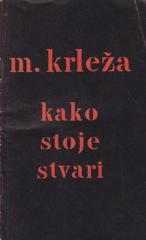
Kako stoje stvari: Predavanje održano u Domu JNA u Zagrebu 17. 12. 1952.
U svom predavanju „Kako stvari stoje“ (1952), Krleža razmatra političku i kulturnu situaciju posleratne Jugoslavije, ističući potrebu za kritičkom misli, kulturnom obnovom i otporom dogmatizmu.
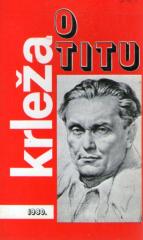
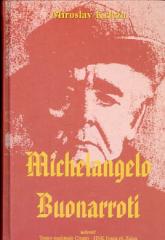
Michelangelo Buonarotti
Ovo je prvi prijevod na talijanski jezik kojim se Buonarroti predstavlja čitateljima talijanskog jezika.
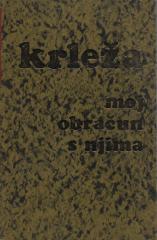
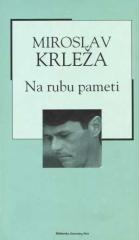
Na rubu pameti
Roman „Na ivici razuma“ (1938) je jedini Krležin roman napisan u prvom licu. Doktor prava moralno osuđuje moćnog industrijalca na banketu, time izazivajući opšti društveni bojkot, progon i sopstveni pad.
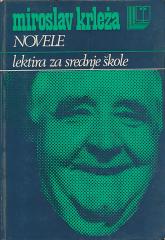
Novele
Krležini romani često istražuju duboke ljudske emocije i složene likove, a njegova proza je poznata po bogatom jeziku i dubokoj analizi društva i istorije.