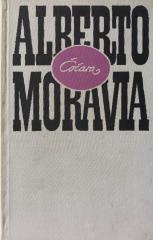
Čočara
Udovica Cesira i njezina kći Rosetta bježe iz bombardiranog Rima u rodnu Ciociariju, gdje proživljavaju glad, strah i bijedu. Oslobođenje donosi tragediju: Rosettu siluju marokanski vojnici, uništavajući njihovu vjeru u Boga i ljude.
Čočara je jedan od najsnažnijih ratnih romana Alberta Moravije, objavljen 1957., temeljen dijelom na njegovim vlastitim iskustvima bijega iz Rima 1943.–1944. s Elsama Morante. Priča se pripovijeda u prvom licu iz perspektive Cesire, snažne, pragmatične udovice iz Ciociarije (regije južno od Rima, poznate po siromaštvu i seljačkim korijenima), koja vodi malu trgovinu u Rimu kako bi preživjela.
Cesira želi zaštititi svoju 18-godišnju kćer Rosettu, lijepu, pobožnu i naivnu djevojku. Kako se rat približava Rimu (savezničko bombardiranje, njemačka okupacija), Cesira šiva novac u haljinu i bježi s kćeri na selo, u rodno selo Vallecorsa. Tamo nailaze na glad, hladnoću, seljačku sebičnost i kaos rata. Susreću Michelea, idealističnog antifašista koji pokušava probuditi seljake, ali bezuspješno. Devet mjeseci provode u planinama, skrivajući se, gladujući i čekajući saveznike.
Oslobođenje 1944. donosi najveću tragediju: na putu natrag u Rim, Rosetta je brutalno silovana od strane skupine marokanskih goumiersa (savezničkih vojnika u francuskoj vojsci) – stvarni povijesni događaj poznat kao marocchinate. Taj čin uništava Rosettinu nevinost i vjeru; ona tone u očaj, postaje promiskuitetna i prostitutka. Cesira gubi vjeru u ljude i Boga, shvaćajući da zlo nije samo u fašizmu ili ratu, već u samoj ljudskoj prirodi – uključujući i njezinoj. Roman završava bez nade: preživjele su, ali slomljene.
Moravia ovdje napušta buržujsku introspekciju ranijih djela i ulazi u neorealistički prikaz rata kroz žensku perspektivu – glad, poniženje, nasilje nad ženama, seljački oportunizam i laž "oslobođenja". Kritizira kako rat razotkriva najgore u ljudima, bez obzira na stranu. Djelo je snažno autobiografsko i politički angažirano, s fokusom na tjelesnost i moralni slom.
Roman je adaptiran u slavni film Vittoria De Sice 1960. sa Sophijom Loren (Oscar za najbolju glumicu) i Jean-Paulom Belmondom – film je pojačao emocionalni i vizualni utjecaj priče. Čočara ostaje potresan portret rata kao uništitelja ljudskosti, posebno ženske sudbine u kaosu.
Jedan primerak je u ponudi