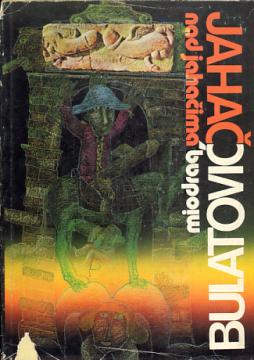
Jahač nad jahačima
Roman o apsurdu, moći i padu čoveka opsednutog veličinom. U simboličnom, grotesknom svetu, autor razotkriva surovost moći i ludila u kome ambicija i strah zamagljuju granicu između čoveka i zveri.
Roman Jahač jahača (objavljen 1966. godine) jedno je od najznačajnijih i najsloženijih dela Miodraga Bulatovića, pisca poznatog po grotesknom izražavanju i istraživanju mračnih dubina ljudske psihe. Delo je alegorija nasilja, deformisanog morala i širenja ludila u društvima koja idolizuju moć.
Radnja se odvija u zatvorenom, simboličnom prostoru koji podseća na totalitarni svet u kome se pojavljuje „jahač“ — figura moći, opsednuta sopstvenom veličinom i superiornošću nad drugima. Njegov uspon i pad prikazani su kroz prizmu fantastičnih i grotesknih scena, u kojima stvarnost gubi oblik, a granica između ugnjetača i žrtve nestaje.
Bulatović koristi snažne metafore, gust jezik i mešavinu crnog humora, ironije i brutalnog realizma da bi prikazao dehumanizaciju i destruktivnost moći, ali i unutrašnju potrebu čoveka za potčinjavanjem i dominacijom. Roman je prožet atmosferom anksioznosti, vizija i ludila, što ga čini bliskim tradiciji Dostojevskog i Kafke, iako zadržava južnjačku, balkansku poetiku.
U središtu Jahača nad jahačima nije samo diktator, već i masa koja ga podržava i hrani njegovu moć — Bulatović time otvara pitanje odgovornosti, kolektivnog straha i moralnog neuspeha. Zbog svoje simbolike, estetske snage i univerzalnih tema, roman se ubraja među remek-dela modernističke i egzistencijalne proze bivše jugoslovenske književnosti.
Jedan primerak je u ponudi