Émile Zola
Émile Zola (1840 – 1902) war einer der bedeutendsten französischen Schriftsteller und Begründer des Naturalismus in der Literatur. Er wurde in Paris geboren und verbrachte seine Kindheit in Aix-en-Provence. Nach dem Tod seines Vaters verarmte die Familie, was sein späteres Schaffen stark beeinflusste.
Zola begann seine Karriere als Journalist und Literaturkritiker und erlangte mit seinem umfangreichen Roman „Thérèse Raquin“ (1867) internationale Berühmtheit, der einen naturalistischen Ansatz einleitete – die Darstellung der Menschen als Produkte ihrer Herkunft und ihrer sozialen Bedingungen. Den größten Teil seines Werkes stellt der aus 20 Romanen bestehende „Rougon-Macquart“-Zyklus (1871–1893) dar, in dem er die französische Gesellschaft zur Zeit des Zweiten Kaiserreichs anhand der Schicksale einer Familie schildert. Zu den bekanntesten Werken des Zyklus zählen „Germinal“, „Erde“, „Nana“ und „Hundestreu“.
Zola ist auch für sein politisches Engagement bekannt, insbesondere in der Dreyfus-Affäre, als er einen offenen Brief mit dem Titel „Ich klage an!“ schrieb. (J'Accuse!, 1898) verteidigte den zu Unrecht verurteilten jüdischen Offizier Alfred Dreyfus. Damit stellte er sein Engagement für Wahrheit, Gerechtigkeit und Menschenrechte unter Beweis und riskierte seine eigene Freiheit und seinen Ruf.
Zola starb 1902 in Paris unter verdächtigen Umständen – möglicherweise an einer Kohlenmonoxidvergiftung. Sein Werk bildet nach wie vor die Grundlage des französischen Naturalismus und ist eine bleibende Inspiration für Literatur und soziales Denken.
Titles in our offer
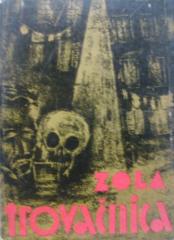
Trovačnica
Der Roman Der Giftmischer wurde 1876 in Fortsetzungen und 1877 in Buchform veröffentlicht. Es ist die Geschichte des Kampfes einer Frau um ihr Glück in der Pariser Arbeiterklasse.
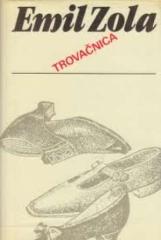
Trovačnica
Der Roman Trovačnica wurde 1876 in Fortsetzungen und 1877 in Buchform veröffentlicht. Es handelt von dem Kampf einer Frau um ihr Glück in der Arbeiterklasse von Paris.
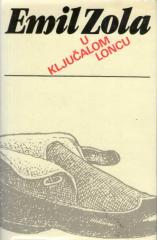
U ključalom loncu
Die Hauptfigur, Jean Makar, ist ein armer Arbeiter, der bei der Pariser Eisenbahn arbeitet. Der Roman untersucht anhand seiner Geschichte die Themen soziale Ungleichheit, den Kampf ums Überleben und den Einfluss der Umwelt auf den Einzelnen.
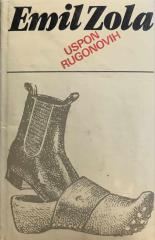
Uspon Rugonovih
Der Roman befasst sich mit dem Wesen und der sozialen Geschichte einer Familie während des Zweiten Kaiserreichs. Die Hauptfiguren sind Mitglieder der Familien Rugon und Makari und die Handlung spielt in Frankreich.
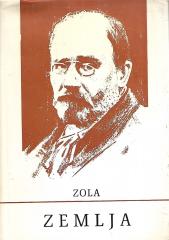
Zemlja
The Country is a social novel published in 1887, part of the "Rougon-Macquart" cycle, in which Zola depicts the brutal reality of life among French peasants.
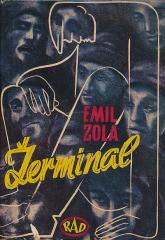
Žerminal
In his best work, Germinal, Émile Zola realistically, in minute detail, described the inhuman living and working conditions of miners in northern France in the 1860s.
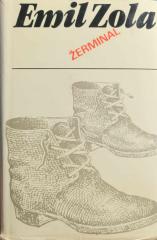
Žerminal
In his best work, Germinal, Émile Zola realistically described the inhuman living and working conditions of miners in northern France in the 60s of the 19th century.
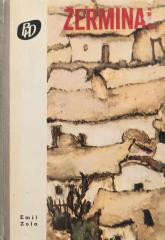
Žerminal
Usvom najboljem djelu, Germinal , Émile Zola je realistično, do najsitnijih detalja opisao neljudske uvjete života i rada rudara u sjevernoj Francuskoj 60-ih godina 19. stoljeća.
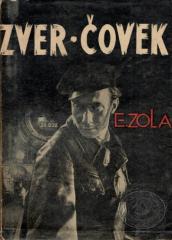
Zver-čovek
Roman istražuje destruktivne sile nasljeđa, strasti i nasilja u modernom industrijskom društvu. Radnja se odvija uglavnom na željeznici, simbolu brzine, sudbine i neizbježne propasti. “Čovjek zvijer” je prvi opis zločina u industrijskom svijetu.