Émile Zola
Emil Zola (1840 – 1902) bio je jedan od najznačajnijih francuskih pisaca i osnivač naturalizma u književnosti. Rođen je u Parizu, a detinjstvo je proveo u Eks an Provansu. Posle očeve smrti, porodica je zapala u siromaštvo, što je snažno uticalo na njegov kasniji rad.
Zola je svoju karijeru započeo kao novinar i književni kritičar, a međunarodnu slavu stekao je svojim opsežnim romanom „Tereza Rakin” (1867), koji je najavio naturalistički pristup – prikazujući ljude kao proizvode njihovog nasleđa i društvenih uslova. Najveći deo njegovog stvaralaštva je ciklus „Rugon-Makar“ (1871–1893), koji se sastoji od 20 romana, u kojima prikazuje francusko društvo tokom Drugog carstva kroz sudbine jedne porodice. Među najpoznatijim delima ciklusa su „Žerminal“, „Zemlja“, „Nana“ i „Pseće leglo“.
Zola je takođe poznat po svom političkom angažmanu, posebno u aferi Drajfus, kada je napisao otvoreno pismo "Optužujem!" (J'Accuse!, 1898) branio je nepravedno osuđenog jevrejskog oficira Alfreda Drajfusa. Time je pokazao svoju posvećenost istini, pravdi i ljudskim pravima, rizikujući sopstvenu slobodu i ugled.
Zola je umro 1902. u Parizu, pod sumnjivim okolnostima – verovatno od trovanja ugljen-monoksidom. Njegovo delo ostaje temelj francuskog naturalizma i trajna inspiracija za književnost i društvenu misao.
Naslovi u ponudi
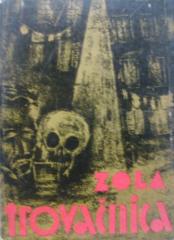
Trovačnica
Roman Trovačnica je objavljen u nastavcima tokom 1876, a u obliku knjige u 1877. To je priča o borbi žene za sreću u radničkoj klasi Pariza.
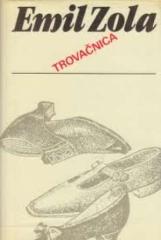
Trovačnica
Roman Trovačnica izlazio je u nastavcima tokom 1876. godine, a u obliku knjige 1877. To je priča o borbi žene za sreću u radničkoj klasi Pariza.
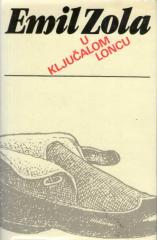
U ključalom loncu
Glavni lik, Žan Makar, je siromašni radnik koji radi na pariskoj železnici. Kroz njegovu priču, roman istražuje teme društvene nejednakosti, borbe za opstanak i uticaja sredine na pojedinca.
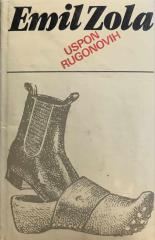
Uspon Rugonovih
Roman se bavi prirodom i društvenom istorijom jedne porodice tokom Drugog carstva. Glavni junaci su članovi porodica Rugon i Makari, a radnja se odvija u Francuskoj.
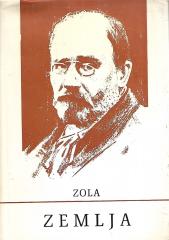
Zemlja
Zemlja je društveni roman objavljen 1887. godine, deo ciklusa „Rugon-Makar“, u kojem Zola prikazuje brutalnu stvarnost života među francuskim seljacima.
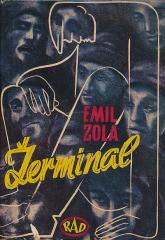
Žerminal
Emil Zola je u svom najboljem delu Žerminalu realistično opisao nehumane uslove života i rada rudara u severnoj Francuskoj 60-ih godina 18. veka.
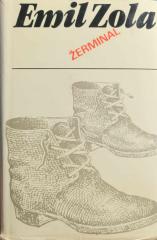
Žerminal
Emil Zola je u svom najboljem delu Žerminalu realistično opisao nehumane uslove života i rada rudara u severnoj Francuskoj 60-ih godina 19. veka.
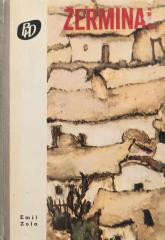
Žerminal
Emil Zola je u svom najboljem delu Žerminalu realistično opisao nehumane uslove života i rada rudara u severnoj Francuskoj 60-ih godina 19. veka.
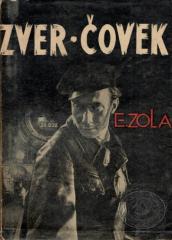
Zver-čovek
Roman istražuje destruktivne sile nasleđa, strasti i nasilja u modernom industrijskom društvu. Radnja se odvija uglavnom na železnici, simbolu brzine, sudbine i neizbežne propasti. „Čovek zver” je prvi opis kriminala u industrijskom svetu.