Émile Zola
Emil Zola (1840 – 1902) bio je jedan od najznačajnijih francuskih pisaca i osnivač naturalizma u književnosti. Rođen je u Parizu, a detinjstvo je proveo u Eks an Provansu. Posle očeve smrti, porodica je zapala u siromaštvo, što je snažno uticalo na njegov kasniji rad.
Zola je svoju karijeru započeo kao novinar i književni kritičar, a međunarodnu slavu stekao je svojim opsežnim romanom „Tereza Rakin” (1867), koji je najavio naturalistički pristup – prikazujući ljude kao proizvode njihovog nasleđa i društvenih uslova. Najveći deo njegovog stvaralaštva je ciklus „Rugon-Makar“ (1871–1893), koji se sastoji od 20 romana, u kojima prikazuje francusko društvo tokom Drugog carstva kroz sudbine jedne porodice. Među najpoznatijim delima ciklusa su „Žerminal“, „Zemlja“, „Nana“ i „Pseće leglo“.
Zola je takođe poznat po svom političkom angažmanu, posebno u aferi Drajfus, kada je napisao otvoreno pismo "Optužujem!" (J'Accuse!, 1898) branio je nepravedno osuđenog jevrejskog oficira Alfreda Drajfusa. Time je pokazao svoju posvećenost istini, pravdi i ljudskim pravima, rizikujući sopstvenu slobodu i ugled.
Zola je umro 1902. u Parizu, pod sumnjivim okolnostima – verovatno od trovanja ugljen-monoksidom. Njegovo delo ostaje temelj francuskog naturalizma i trajna inspiracija za književnost i društvenu misao.
Naslovi u ponudi
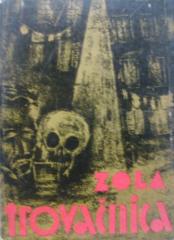
Trovačnica
Der Roman Der Giftmischer wurde 1876 in Fortsetzungen und 1877 in Buchform veröffentlicht. Es ist die Geschichte des Kampfes einer Frau um ihr Glück in der Pariser Arbeiterklasse.
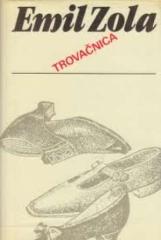
Trovačnica
Der Roman Trovačnica wurde 1876 in Fortsetzungen und 1877 in Buchform veröffentlicht. Es handelt von dem Kampf einer Frau um ihr Glück in der Arbeiterklasse von Paris.
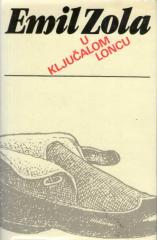
U ključalom loncu
Die Hauptfigur, Jean Makar, ist ein armer Arbeiter, der bei der Pariser Eisenbahn arbeitet. Der Roman untersucht anhand seiner Geschichte die Themen soziale Ungleichheit, den Kampf ums Überleben und den Einfluss der Umwelt auf den Einzelnen.
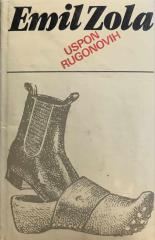
Uspon Rugonovih
Der Roman befasst sich mit dem Wesen und der sozialen Geschichte einer Familie während des Zweiten Kaiserreichs. Die Hauptfiguren sind Mitglieder der Familien Rugon und Makari und die Handlung spielt in Frankreich.
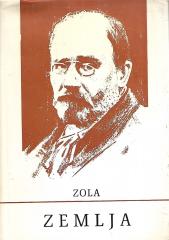
Zemlja
Zemlja je društveni roman objavljen 1887. godine, deo ciklusa „Rugon-Makar“, u kojem Zola prikazuje brutalnu stvarnost života među francuskim seljacima.
Žerminal
Emil Zola je u svom najboljem delu Žerminalu realistično opisao nehumane uslove života i rada rudara u severnoj Francuskoj 60-ih godina 18. veka.
Žerminal
Emil Zola je u svom najboljem delu Žerminalu realistično opisao nehumane uslove života i rada rudara u severnoj Francuskoj 60-ih godina 19. veka.
Žerminal
Emil Zola je u svom najboljem delu Žerminalu realistično opisao nehumane uslove života i rada rudara u severnoj Francuskoj 60-ih godina 19. veka.
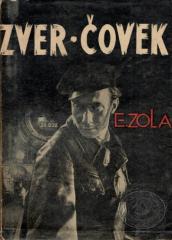
Zver-čovek
Roman istražuje destruktivne sile nasleđa, strasti i nasilja u modernom industrijskom društvu. Radnja se odvija uglavnom na železnici, simbolu brzine, sudbine i neizbežne propasti. „Čovek zver” je prvi opis kriminala u industrijskom svetu.