Skriveno lice vremena

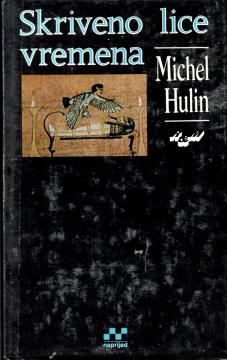
Skriveno lice vremena

Michael Hulin

„Das verborgene Gesicht der Zeit“ (1985) von Michel Hulin, einem französischen Indologen und Religionshistoriker, untersucht das Konzept von Tod und Leben nach dem Tod durch eine vergleichende Analyse verschiedener Kulturen und religiöser Traditionen.

Das Buch verfolgt einen interdisziplinären Ansatz und verbindet Philosophie, Anthropologie, Religion und Kunst, um die Komplexität des menschlichen Umgangs mit dem unausweichlichen Tabu des Todes aufzudecken. Hulin beginnt mit der Betrachtung des philosophischen Status des Todes und seiner metaphysischen Dimension und untersucht, wie der Mensch im Laufe der Geschichte angesichts der Angst vor dem Unbekannten Glaubenssysteme und Mythen geprägt hat.

Das Buch zeichnet die Entwicklung des Jenseitskonzepts nach, von prähistorischen und schamanischen Weltanschauungen über Ahnenkulte in Afrika bis hin zu den komplexen religiösen Systemen des alten Mesopotamien und des pharaonischen Ägyptens. Der vorislamische Iran, die jüdische Tradition, der Islam und das Christentum werden besonders analysiert, wobei der Schwerpunkt auf den theologischen Rahmenbedingungen von Himmel, Hölle und Fegefeuer liegt. Hulin erforscht auch das indische Denken, insbesondere das vedische Verständnis von Wiedergeburt und das Konzept der Seelenwanderung in den Veden und Upanishaden.

Mithilfe einer vergleichenden Methode deckt der Autor archetypische Muster in der kulturellen Ausarbeitung der Todesvorstellung auf und betont den Reichtum und die Vielfalt der menschlichen Vorstellungswelt. Das Buch ist bedeutsam für das Verständnis universeller und spezifischer Aspekte der Spiritualität.

Original title
La face cachée du temps
Translation
Kika Čurović
Editor
Rada Iveković
Graphics design
Ratko Janjić-Jobo
Dimensions
23 x 15 cm
Pages
375
Publisher
Naprijed, Zagreb, 1989.
 
Latin alphabet. Hardcover with dust jacket.
Language: Croatian.

One copy is available

Condition:Used, excellent condition
 

Are you interested in another book? You can search the offer using our search engine or browse books by category.

You may also be interested in these titles

Thomas Merton - monah

Thomas Merton - monah

Patrick Hart, Matthew Kelty, John Eudes Bamberger, Thérèse Lentfoehr, David Steindl-Rast, Jean Le...

Zbirka eseja o Tomasu Mertonu - monahu, piscu i kontemplativcu - koja osvetljava njegov život, duhovnost, rad i trajno nasleđe iz više autorskih perspektiva.

Provincijalat franjevaca trećoredaca, 1979.
Croatian. Latin alphabet. Paperback.
6.42
Kršćansko savršenstvo

Kršćansko savršenstvo

Živan Bezić

The first systematic Croatian Catholic asceticism – the science of Christian spiritual life and the path to holiness. Don Živan Bezić, a Split-Makarska priest, theologian, pedagogue and Dachau concentration camp survivor, writes from a deep experience of

Crkva na kamenu, 1986.
Croatian. Latin alphabet. Hardcover.
16.00
Put u Ihtlan

Put u Ihtlan

Carlos Castaneda

"The Journey to Ihtlan" is the third published book by Carlos Castaneda, although chronologically it represents the early part of his studies with Don Juan. This book marks a turning point in Castaneda's narrative – less about hallucinogens and more about

Prosveta, 1981.
Serbian. Latin alphabet. Paperback.
13.42
Orlov dar

Orlov dar

Carlos Castaneda

The Eagle's Gift is not just a shamanic manual, but also a philosophical meditation on the nature of reality, death, and the possibility of transcendence. Castaneda invites the reader to question their own beliefs about the world and open themselves to ne

August Cesarec, 1983.
Croatian. Latin alphabet. Hardcover with dust jacket.
9.32 - 13.3410.00
Put molitve s Terezijom iz Lisieuxa

Put molitve s Terezijom iz Lisieuxa

Victor Sion

The booklet leads the reader into a simple, trusting relationship with God inspired by the “little way” of St. Therese of Lisieux, showing how prayer is born from smallness, trust, and daily devotion.

Kršćanska sadašnjost, 1984.
Croatian. Latin alphabet. Paperback.
4.26
Drugi krug moći

Drugi krug moći

Carlos Castaneda

Castaneda's fourth book, which continues his journey through the world of Mexican shamanism, but with a new focus: relationships with Don Juan's female students and deepening the teachings on the dual aspect of consciousness - the first and second circles

Prosveta, 1981.
Serbian. Latin alphabet. Paperback.
13.46