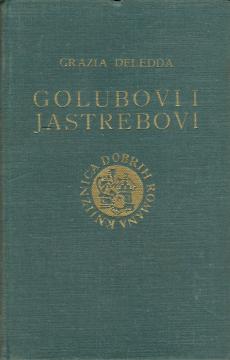
Golubovi i jastrebovi
In einem typisch sardischen Setting schildert Deledda anhand einer dramatischen Liebesgeschichte den Konflikt zwischen zwei Familien und ihren Welten – den friedlichen, ehrlichen „Tauben“ und den aggressiven, gierigen „Falken“.
Grazia Deledda (1871–1936), eine italienische Schriftstellerin sardischer Herkunft und Nobelpreisträgerin für Literatur (1926), schrieb den Roman „Colombe e sparvieri“ (Tauben und Falken), der im ländlichen Sardinien spielt, in einer Welt alter Sitten, Blutfehden und tiefer sozialer Spaltungen. Der Roman stellt zwei Familien einander gegenüber: die friedliche, tugendhafte und beinahe patriarchalisch ideale Familie („die Tauben“) und die aggressive, mächtige und rücksichtslose Familie („die Falken“). Anhand der zentralen Liebesgeschichte schildert Deledda meisterhaft den Konflikt zwischen Gut und Böse, Leidenschaft und Pflicht, Rache und Vergebung.
Wie in den meisten ihrer Werke betont Deledda auch hier die Macht der sardischen Landschaft, die im Leben der Figuren beinahe schicksalhaft wirkt. Der Roman ist reich an psychologischen Porträts, insbesondere der weiblichen Charaktere, und an subtilen Analysen innerer Konflikte und moralischer Dilemmata. Der Stil ist realistisch mit lyrischen und symbolischen Elementen, typisch für Deleddas Verismo, inspiriert von sardischer Tradition und Folklore.
In der kroatischen Rezeption 1931 wurde der Roman als hochwertige europäische Fiktion mit starker ethischer und psychologischer Tiefe sehr positiv aufgenommen. Heute gilt „Golubovi i jastrebovi“ als einer von Deleddas repräsentativsten Romanen ihrer reifen Schaffensperiode, obwohl er nicht zu ihren bekanntesten Werken wie „Canne al vento“ oder „La Madre“ zählt. Er bleibt eine lohnende Lektüre für Liebhaber des Regionalrealismus und der Literatur von Nobelpreisträgern.
Die antiquarische Ausgabe von 1931 ist selten.
Jedan primerak je u ponudi