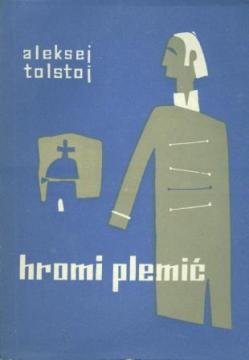
Hromi plemić
In der Kurzgeschichte „Der verkrüppelte Adlige“ wird das tragische Schicksal eines unglücklichen Aristokraten zu einer Parabel über Stolz, Schmerz und Vergänglichkeit. Der Autor verwebt Realismus und Romantik zu einer tief bewegenden Geschichte über mensc
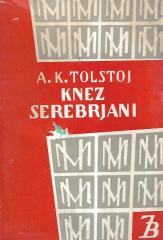
Die Kurzgeschichte Der lahme Adlige des russischen Schriftstellers Alexei Konstantinowitsch Tolstoi (1817–1875) ist ein psychologisch und moralisch vielschichtiges Werk, das menschliche Einsamkeit, Traurigkeit und die Sehnsucht nach Liebe erforscht. Tolstoi, bekannt für seine historischen Romane, poetischen Balladen und humorvollen Erzählungen, erreicht in dieser Kurzgeschichte einen intimeren Ton und zeigt Mitgefühl für einen „kleinen“ Mann aus dem Adel.
Die Hauptfigur, ein hinkender Adliger, ist auch von seelischen Wunden gezeichnet. Seine Lahmheit symbolisiert nicht nur einen körperlichen Makel, sondern auch ein Gefühl der Entfremdung von der Welt, die Unfähigkeit, sich in eine Gesellschaft einzufügen, die Stärke, Jugend und äußere Perfektion schätzt. Mit außergewöhnlichem Gespür für psychologische Details schildert Tolstoi das Innenleben eines Mannes, der zwischen Stolz und dem Bedürfnis nach Nähe, zwischen Ironie und aufrichtiger Traurigkeit ringt.
Die Handlung ist einfach, aber voller Emotionen: Durch alltägliche Situationen und Begegnungen erkennt der Held, wie grausam gesellschaftliche Urteile sein können und wie schwer es ist, in einer Welt, die Schwäche verhöhnt, seine Würde zu bewahren. Vor dem Hintergrund eines realistischen Bildes der russischen Provinz entwirft der Autor eine universelle Botschaft über die Gleichheit aller Menschen und das Mitgefühl.
Der Stil der Erzählung zeichnet sich durch Eleganz, feinen Humor und romantische Empathie für die Hauptfigur aus. In Der lahme Adlige verbindet Tolstoi einen sentimentalen Ton mit moralischer Reflexion und zeigt, dass die wahre Größe eines Menschen aus seiner inneren Stärke erwächst und nicht aus seiner gesellschaftlichen Stellung oder körperlichen Perfektion.
Dieses Werk wird somit zu einer symbolischen Studie über Stolz, Schmerz und Selbstwertgefühl und zählt zu den menschlichsten und emotional bewegendsten Prosawerken von Alexei K. Tolstoi.
Jedan primerak je u ponudi