Epistolary literature

Boja purpurna
An epistolary novel that follows the life of Celia, a young African-American woman in rural Georgia in the early 20th century. Through letters addressed to God and her sister Nettie, Celie describes her experience of abuse, racism, sexism and her journey

Djela Augusta Šenoe: Članci / Kritike / Govori / Zapisi / Pisma

In his articles, critiques, speeches, notes and letters, August Šenoa expresses literary, social and political views. He promotes national awareness, cultural development, education and moral values, and comments on contemporary events.
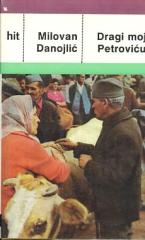
Dragi moj Petroviću
My Dear Petrović by Milovan Danojlić is a humorous and satirical novel that, through the letters and thoughts of the main character, depicts everyday life, human weaknesses, and social situations with a lot of wit and irony.
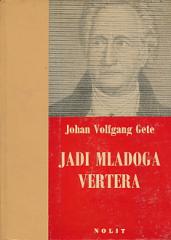
Jadi mladoga Vertera

Goethe's masterpiece of an epistolary novel from 1774 (revised in 1787), pivotal to the Sturm und Drang movement, caused a cultural upheaval in Europe – a wave of suicides, "Wertherism" and the imitation of heroes in fashion and sentiment.

Kad je bio juli
The award-winning epistolary novel by Nura Bazdulj-Hubijar tells the poignant story of a boy named Mirza who writes letters to his dead father about the 1995 Srebrenica tragedy in the "safe zone".
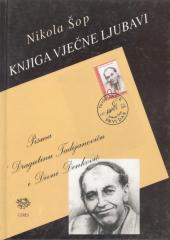
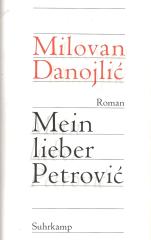
Mein lieber Petrović
"Mein lieber Petrović" is an epistolary novel by Milovan Danojlić, which, through the letters of an emigrant from Paris, portrays the image of the West and the homeland with a lot of bitter humor, longing, irony, and cultural uprooting.
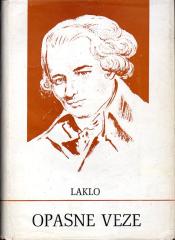
Opasne veze

Opasne veze je epistolarni roman objavljen 1782. godine, koji kroz seriju pisama prikazuje licemerje i manipulaciju francuskog aristokratskog društva uoči Francuske revolucije.
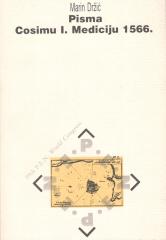
Pisma Cosimu I. Mediciju 1566.

Držićeva pisma Kozimu I de Medičiju predstavljaju značajan dokument hrvatske renesansne književnosti i istorije. Držić je poslao tri pisma Kozimu I, velikom vojvodi Toskane, između juna i avgusta 1566. godine, dok je boravio u Firenci.
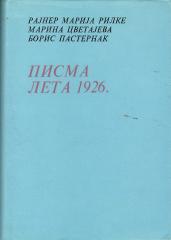
Pisma leta 1926.
Rilke, Tsvetaeva and Pasternak’s 1926 correspondence reveals an intense spiritual bond through reflections on love, solitude, creativity and the meaning of poetry.
Literature
- Aphorisms and jokes
- Albanian literature
- American literature
- Ancient literature
- Anthology
- Arabic literature
- Autobiographies and Memoirs
- Adventure novel
- Bosnian literature
- British literature
- Bulgarian literature
- Montenegrin literature
- Documentary literature
- Plays
- Epistolary literature
- Epic Fantasy
- Epic literature
- Erotic Novels
- Essays and diaries
- Fantastic literature
- Movie Script
- A philosophical novel
- Francuska književnost
- Greek literature
- Dutch literature
- Horror/Gothic
- Croatian literature
- Humor and Satire
- Indian literature
- Iranian literature
- Irish literature
- History of literature
- Historical novel
- Eastern European literature
- Italian literature
- Sayings, thoughts, aphorisms, proverbs
- Japanese literature
- Jewish literature
- Chinese literature
- Literary criticism
- Teen Novels
- Comedy
- Short stories
- Detective Stories
- Hispanic American literature
- Latinska književnost
- Ljubavni roman
- Makedonska književnost
- Mađarska književnost
- Moralno-didaktička književnost
- Narodna književnost
- Naučna fantastika
- Nemačka književnost
- Novele
- Pjesme u prozi
- Poezija
- Poljska književnost
- Porodični roman
- Portugalska književnost
- Poslovice i maksime
- Pripovetke
- Psihološki roman
- Ratni roman
- Rumunska književnost
- Ruska književnost
- Sažetci i adaptacije književnih dela
- Skandinavska književnost
- Slovačka književnost
- Slovenska književnost
- Socijalna književnost
- Srpska književnost
- Teorija književnosti
- Tragedija
- Triler
- Turska književnost
- Ukrajinska književnost
- Češka književnost
- Školska lektira
- Španska književnost