Francuska književnost
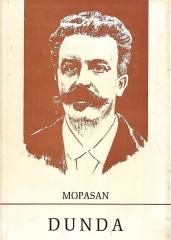
Dunda i druge novele

Die Geschichte spielt während des Deutsch-Französischen Krieges (1870–1871) und beginnt mit der Flucht französischer Bürger aus dem preußisch besetzten Rouen. Unter ihnen ist Elizabeth Rousset, „Dunda“, ein Mädchen mit einfacher Moral, aber gutem Herzen.
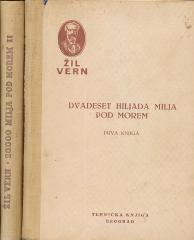
Dvadeset hiljada milja pod morem 1-2
Ein Science-Fiction-Roman, geschrieben Ende des 19. Jahrhunderts vom berühmten französischen Kinder- und Jugendbuchautor Jules Verne, der auch als Begründer des Science-Fiction-Genres gilt.
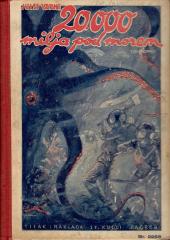
Dvadeset tisuća milja pod morem
Zwanzigtausend Meilen unter dem Meer, eine antiquarische Ausgabe von 1920 mit dem Einband und den Illustrationen im Buch von Andrija Maurović – ein seltenes und attraktives Exemplar eines Klassikers der Weltabenteuerliteratur.

Dvije Engleskinje i kontinent
Die beiden Schwestern Ann und Muriel verlieben sich in den französischen Studenten Claude. Ein Roman über eine Dreiecksbeziehung, Freundschaft und den Kulturkonflikt zwischen England und Frankreich. Ein Meisterwerk französischer Erzählkunst.

Émile Zola
In seinem besten Werk, Germinal, beschrieb Émile Zola realistisch und bis ins kleinste Detail die unmenschlichen Lebens- und Arbeitsbedingungen der Bergleute in Nordfrankreich in den 1860er Jahren.
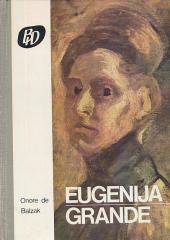
Eugenija Grande

„Eugénie Grandet“ (1833), Teil von Balzacs „Menschlicher Komödie“, ist ein realistischer Roman, der sich mit Gier, Familienbeziehungen und den Opfern der Liebe in der französischen Provinzgesellschaft befasst.
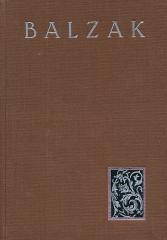
Eugenija Grande
"Eugénie Grandet" (1833), part of Balzac's Human Comedy, is a realistic novel that explores greed, family relationships, and the sacrifices of love in provincial French society.
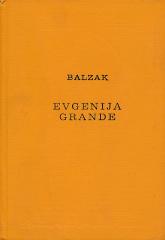
Evgenija Grande
"Eugénie Grandet" (1833), part of Balzac's Human Comedy, is a realistic novel that explores greed, family relationships, and the sacrifices of love in provincial French society.
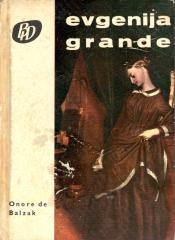
Evgenija Grande / Muzej starina
In his novels Eugenie Grandet (1833) and The Museum of Antiquities (1837), Balzac explores universal themes of greed, human passions, sacrifice, and moral dilemmas, placing them in different social contexts of 19th-century French society.
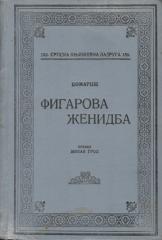
Figarova ženidba ili Ludi dan: Komedija u pet činova
The comedy "The Marriage of Figaro, or The Mad Day" (1784) is a sequel to The Barber of Seville. The Marriage of Figaro criticizes social injustices through love affairs and intrigue, celebrating Figaro and Susanna's ingenuity in the fight against aristoc
Literature
- Adventure novel
- Albanian literature
- American literature
- Anthology
- Ancient literature
- Aphorisms and jokes
- Arabic literature
- Autobiographies and Memoirs
- Bosnian literature
- Epistolary literature
- British literature
- Bulgarian literature
- Chinese literature
- German literature
- Documentary literature
- Movie Script
- A war novel
- A philosophical novel
- Epic Fantasy
- Epic literature
- Erotic Novels
- Essays and diaries
- Family novel
- Fantastic literature
- Francuska književnost
- Poems in prose
- History of literature
- Short Stories
- Greek literature
- Hispanic American literature
- Historical novel
- Horror/Gothic
- Humor and Satire
- Indian literature
- Iranian literature
- Irish literature
- Italian literature
- Japanese literature
- Jewish literature
- Comedy
- Detective Stories
- Croatian literature
- Short stories
- Latin literature
- Romance Novels
- Teen Novels
- Literary criticism
- Macedonian literature
- Montenegrin literature
- Moral and didactic literature
- Dutch literature
- Novele
- Eastern European literature
- Poetry
- Polish literature
- Portuguese literature
- Psychological novel
- Romanian literature
- Russian literature
- School reading
- Science Fiction
- Serbian literature
- Scandinavian literature
- Slovak literature
- Slovenian literature
- Social literature
- Spanish literature
- Proverbs and maxims
- Sayings, thoughts, aphorisms, proverbs
- Plays
- Literary Theory
- Thriller
- Tragedy
- Czech literature
- Turkish literature
- Ukrainian literature
- Hungarian literature
- Folk literature
- Summaries and adaptations of literary works