Miroslav Krleža
Miroslav Krleža (7. srpnja 1893. – 29. prosinca 1981.) bio je jedan od najvažnijih hrvatskih književnika 20. stoljeća – pjesnik, romanopisac, dramatičar, esejist i enciklopedist. Rođen je u Zagrebu, školovao se u Austro-Ugarskoj vojnoj akademiji, ali se brzo posvetio književnosti i intelektualnom djelovanju. Bio je snažan kritičar društvene nepravde, malograđanštine i političkog oportunizma, što je obilježilo velik dio njegove literature.
Njegov opus obuhvaća širok spektar žanrova. Ističu se romaneskni ciklus o Glembajevima (Gospoda Glembajevi, U agoniji, Leda), te epski roman Povratak Filipa Latinovicza (1932). Pisao je i eseje, dnevnike, kritike, enciklopedijske članke te pjesme poput onih iz zbirke Pan.
Krležin stil obilježen je bogatim vokabularom, složenom rečenicom, intelektualnom dubinom i ironijskim distanciranjem. Bio je ključna figura u hrvatskoj kulturi i jedan od osnivača Leksikografskog zavoda (danas LZ Miroslav Krleža). Unatoč političkim pritiscima, ostao je vjeran intelektualnoj autonomiji.
Krležino nasljeđe neizostavno je u hrvatskom kanonu i nezaobilazno u razumijevanju moderniteta i povijesne sudbine Hrvatske i srednje Europe.
Naslovi u ponudi
Dnevnik 2: Dnevnik 1918-22 (Davni dani II)
„Dnevnik 1918–22“ beleži Krležine zapise iz posleratnih godina obeleženih slomom Monarhije, nastankom nove države, političkim prelomima i njegovom sve oštrijom kritikom društva, intelektualaca i ideoloških iluzija.
Hrvatski bog Mars
The Croatian god Mars brings seven anti-war novels in which Krleža portrays war as a cruel, senseless machinery that destroys the "little man", exposing the hypocrisy of militarism and myths about heroism.
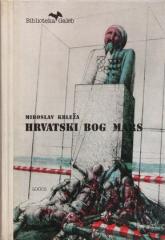
Hrvatski bog Mars
Krleža's best-known collection of short stories, The Croatian God Mars, is part of an imagined cycle of literary works with the theme of the First World War and Croatian Home Guards.
Hrvatski bog Mars
Zbirka novela Hrvatski bog Mars Miroslava Krleže jedno je od najvažnijih antiratnih djela hrvatske književnosti. Prvi put je izdana 1922. godine, pa 1933., a svoj konačan oblik je dobila 1947.
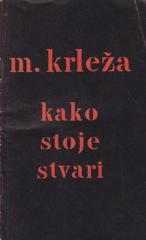
Kako stoje stvari: Predavanje održano u Domu JNA u Zagrebu 17. 12. 1952.
U predavanju Kako stoje stvari (1952.) Krleža razmatra političku i kulturnu situaciju poslijeratne Jugoslavije, ističući potrebu za kritičkom mišlju, kulturnom obnovom i otporom dogmatizmu.
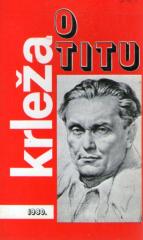
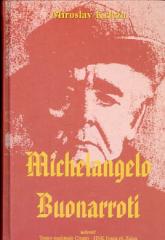
Michelangelo Buonarotti
Ovo je prvi prijevod na talijanski jezik kojim se Buonarroti predstavlja čitateljima talijanskog jezika.
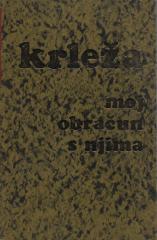

Na rubu pameti
The novel "On the Edge of Reason" (1938) is Krleža's only novel in the first person. A doctor of law morally condemns a powerful industrialist at a banquet, thereby provoking a general social boycott, persecution, and his own downfall.
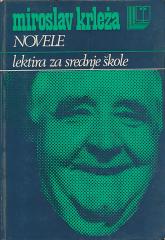
Novele
Krleža's novels often explore deep human emotions and complex characters, and his prose is known for its rich language and deep analysis of society and history.