Social literature
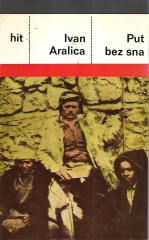
Put bez sna
The Journey Without Sleep is the first part of Aralica's exile tetralogy. The novel follows the migration of Croats from Rama in 1687 and the fate of Friar Pavle Vučković, Šimun Grabovac, and their people in the face of the Ottoman threat.
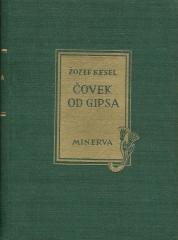
Putevi nesreće IV: Čovek od gipsa
The final part of the Paths of Misfortune tetralogy. Richard Dalleau, broken by losses, drugs and internal conflicts, faces the consequences of his turbulent life and seeks salvation in despair and remorse.
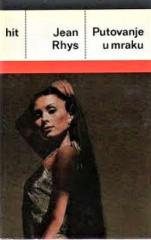
Putovanje u mraku
Journey in the Dark follows Anna Morgan, a young Caribbean girl living in England after the death of her father. Faced with loneliness, poverty and an unhappy love affair, she gradually sinks into despair.
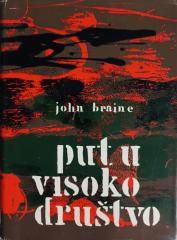
Put u visoko društvo
Joe Lampton, an ambitious working-class young man, arrives in Warley and chooses between passionate love with Alice and marriage to Susan, a wealthy woman, for the sake of social advancement. Ambition comes at a heavy price.
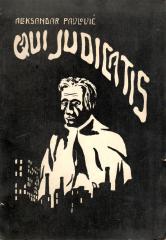
Qui judicatis
A psychological-moral novel about a representative of the so-called lost generation, the generation that came of age during World War I, faced with post-war disappointment, moral crises, and the question of justice in society.
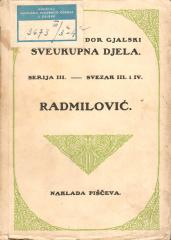
Radmilović
Radmilović (1913) is Gjalski's novel about the collision of ideals and reality: an intellectual full of high principles gets stuck in provincial politics, love and ambition, while the masks of decency slowly peel away.
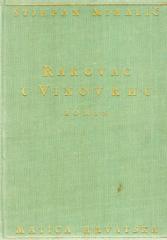
Rakovac u Vinovrhu
In the novel Rakovac u Vinovrh, the character of an idealistically committed young man who fights against the economic and national oppression of Croatia appears.
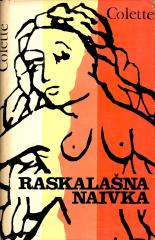
Raskalašna naivka
The Dissolute Naive follows a young girl who, driven by curiosity and a desire for freedom, enters the world of love, passion, and social expectations, discovering the price of her own choices.
Ravnodušni ljudi
Der Roman begleitet die verfallende römische Bürgerfamilie von Ardengo über mehrere Tage hinweg: Witwe Mariagrazia, Liebhaber Leo, Sohn Michele und Tochter Carla – alle gefangen in Apathie, Lügen, sexueller Manipulation und moralischer Gleichgültigkeit.
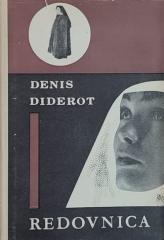
Redovnica
Die ungeliebte Suzanne wird zwangsweise in einem Kloster eingesperrt. Ihre Briefe enthüllen die Heuchelei, den Sadismus und das seelische Leid innerhalb der Klostermauern sowie ihren verzweifelten Kampf um persönliche Freiheit.
Literatur
- Ein philosophischer Roman
- Ein Kriegsroman
- Abenteuerroman
- Albanische Literatur
- Amerikanische Literatur
- Antike Literatur
- Anthologien
- Aphorismen und Witze
- Arabische Literatur
- Autobiographien und Memoiren
- Bosnische Literatur
- Britische Literatur
- Bulgarische Literatur
- Chinesische Literatur
- Komödie
- Kroatische Literatur
- Tschechische Literatur
- Krimis/Detektivgeschichten
- Dokumentarische Literatur
- Niederländische Literatur
- Osteuropäische Literatur
- Epische Fantasie
- Epische Literatur
- Briefliteratur
- Erotische Literatur
- Essays und Tagebücher
- Familienroman
- Fantastische Literatur
- Volksliteratur
- Francuska književnost
- Deutsche Literatur
- Griechische Literatur
- Hispanisch-amerikanische Literatur
- Historischer Roman
- Geschichte der Literatur
- Horror/Gothic
- Humor und Satire
- Ungarische Literatur
- Indische Literatur
- Iranische Literatur
- Italienische Literatur
- Japanische Literatur
- Jüdische Literatur
- Lateinische Literatur
- Literatur-Kritik
- Theorie der Literatur
- Mazedonische Literatur
- Montenegrinische Literatur
- Moralische und didaktische Literatur
- Drehbuch
- Novele
- Theater
- Gedichte in Prosa
- Poesie
- Polnische Literatur
- Portugiesische Literatur
- Sprichwörter und Maximen
- Psychologischer Roman
- Liebesroman
- Rumänische Literatur
- Russische Literatur
- Sprüche, Gedanken, Aphorismen, Sprichwörter
- Skandinavische Literatur
- Schullektüre
- Science-Fiction
- Serbische Literatur
- Geschichten
- Kurzgeschichten
- Slowakische Literatur
- Slowenische Literatur
- Sozialliteratur
- Spanische Literatur
- Zusammenfassungen und Adaptionen literarischer Werke
- Literatur für junge Leute
- Thriller
- Tragödie
- Türkische Literatur
- Ukrainische Literatur