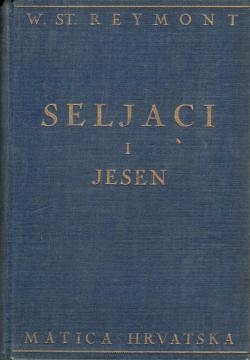
Seljaci I: Jesen
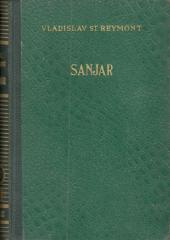
Prvi deo epske tetralogije o životu poljske seoske zajednice u selu Lipce. Roman prikazuje ritam seoskih radova, svakodnevicu, intrige, sukobe oko zemlje i vlasti, i ženidbu starog, bogatog seljaka Maćeja Borine sa mladom i lepom Jagnom.
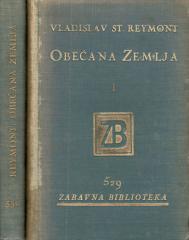
Prvi tom monumentalne tetralogije Seljaci (Chłopi), za koju je Rejmont dobio Nobelovu nagradu za književnost 1924. godine. Prevod sa poljskog jezika uradio je Julije Benešić, koji je napisao i opsežan predgovor. Ovo izdanje se smatra jednim od najkvalitetnijih hrvatskih prevoda Rejmontovog dela između dva rata.
Radnja prvog dela odvija se u selu Lipce krajem 19. veka, u jesen. Roman prikazuje ritam seoskog života kroz prizmu žetve, priprema za zimu i velikih seljačkih svečanosti. U centru događaja je porodica Maćeja Borine, najbogatijeg seljaka u selu. Stari Borina odlučuje da se oženi mladom i lepom Jagnom (Jagusijom), što izaziva žestoke sukobe sa njegovom sopstvenom decom, posebno sa sinom Antkom, koji je takođe zaljubljen u Jagnu.
Rejmont majstorski prikazuje ceo društveni mikrokosmos sela: borbe za zemlju, imovinu i moć, intrige, tračeve, ljubav, mržnju, piće, verske rituale i duboku povezanost seljaka sa prirodom. Zemlja je ovde centralni lik – istovremeno majka, bogatstvo i izvor svih sukoba.
Benešićev prevod obuhvata svu snagu i sirovu poeziju originala, uključujući bogat seljački jezik i ritam prirode. Predgovor Julija Benešića je vredna književno-istorijska studija o Rejmontu i mestu Seljaka u evropskoj književnosti.
Tetralogija Seljaci (Jesen – Zima – Proleće – Leto) jedno je od najvećih remek-dela evropskog realizma i naturalizma 20. veka. Delo impresionira svojom epskom širinom, kolektivnim portretom zajednice i dubokim razumevanjem ljudske prirode. Za mnoge kritičare, ova tetralogija je najmoćniji književni prikaz seljačkog sveta u svetskoj književnosti.
Izdanje Matice hrvatske iz 1928. godine danas je traženo antikvarno izdanje, posebno cenjeno zbog Benešićevog prevoda i predgovora. Nezaobilazna lektira za ljubitelje epske proze, realizma i klasika svetske književnosti.
Primerak je dostupan kao deo kompleta knjiga "Seljaci I-IV"
Pregledajte komplet
1. Seljaci I: Jesen
Prvi deo epske tetralogije o životu poljske seoske zajednice u selu Lipce. Roman prikazuje ritam seoskih radova, svakodnevicu, intrige, sukobe oko zemlje i vlasti, i ženidbu starog, bogatog seljaka Maćeja Borine sa mladom i lepom Jagnom.
- Napukla leđa

2. Seljaci II: Zima
Drugi deo epske tetralogije Seljaci. Roman prikazuje težak zimski život u selu Lipce, produbljuje sukobe unutar Borinine porodice, strastveni odnos između Antka i Jagne i rastuće tenzije u selu. Ep o seljačkom životu dobitnik Nobelove nagrade.
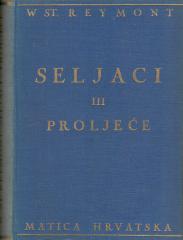
3. Seljaci III: Proljeće
Treći deo epske tetralogije Seljaci. Proleće donosi buđenje prirode, ali i nove sukobe u selu Lipce: kulminaciju ljubavnog trougla, porodičnu dramu i društvene tenzije. Nastavak Nobelovog epa o poljskom seljačkom životu.
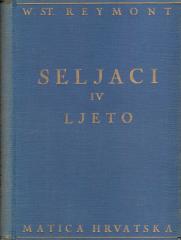
4. Seljaci IV: Ljeto
Seljaci IV: Leto je završni i najmoćniji deo epske tetralogije Seljaci. Kulminacija sukoba u selu Lipce tokom vrelog leta i žetve, drama oko Jagne, smrt Maćeja Borine i konačno zatvaranje velikog kruga života.