Czech literature

Doživljaji dobrog vojnika Švejka
One of the world's most popular works of humorous prose written in 1921-1923. years. The main character, the "good soldier" Josef Švejk, is a participant in World War I.

Družba Isusova
The Society of Jesus (1969) by Jiří Šotola, the debut work of the Czech poet, is a historical novel set during the Counter-Reformation, which subtly alludes to contemporary conditions in Czechoslovakia under communism.
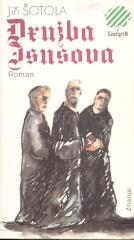
Družba Isusova
The Society of Jesus (1969) by Jiří Šotola, the debut work of the Czech poet, is a historical novel set during the Counter-Reformation, which subtly alludes to contemporary conditions in Czechoslovakia under communism.
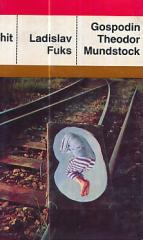
Gospodin Theodor Mundstock
Ladislav Fuks' „Herr Theodor Mundstock“ erzählt die Geschichte eines einsamen Juden im besetzten Prag, der, in Erwartung der Deportation in ein Konzentrationslager, sich mental und physisch auf das Überleben vorbereitet.
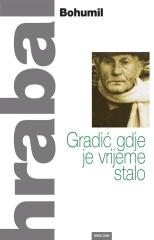
Gradić gdje je vrijeme stalo
Bohumil Hrabal, ein tschechischer Schriftsteller, der für seine lyrische Groteske und seinen Humor bekannt ist, beschwört in seinem Roman Die Stadt, in der die Zeit stillstand, die Kindheit in der kleinen Stadt Libeň (einem Teil von Prag) herauf, wo die Z
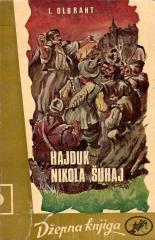
Hajduk Nikola Šuhaj
„Hajduk Nikola Šuhaj“ (1933) ist der bekannteste Roman von Ivan Olbracht (eigentlich Kamil Zeman, 1882–1952) und ein Klassiker der tschechischen Literatur des 20. Jahrhunderts. Er zählt zu den bedeutendsten Werken der tschechischen Literatur der Zwischenk
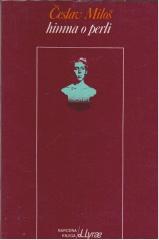
Himna o perli
Zbirka pjesama i prepjeva dobitnika Nobelove nagrade Czesława Miłosza objavljena 1982. godine. Djelo donosi duboke refleksije o ljudskoj sudbini, duhovnosti, povijesnim lomovima i totalitarizmu.
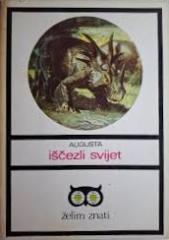
Iščezli svijet
„Svet koji nestaje” (1968) Jozefa Ogista je naučnopopularna knjiga koja kroz zanimljive priče i ilustracije prikazuje život drevnih životinja i biljaka.
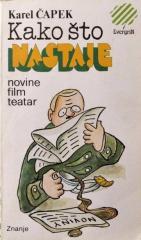
Kako što nastaje: novine, film, teatar
In einem geistreichen und lehrreichen Essay beschreibt Čapek die Entstehung einer Zeitung, eines Films und eines Theaterstücks. Mit Humor und Ironie verdeutlicht er die Komplexität des Prozesses – von der Idee bis zur Umsetzung – und die unterschiedlichen
Literatur
- Ein philosophischer Roman
- Ein Kriegsroman
- Abenteuerroman
- Albanische Literatur
- Amerikanische Literatur
- Antike Literatur
- Anthologien
- Aphorismen und Witze
- Arabische Literatur
- Autobiographien und Memoiren
- Bosnische Literatur
- Britische Literatur
- Bulgarische Literatur
- Chinesische Literatur
- Komödie
- Kroatische Literatur
- Tschechische Literatur
- Krimis/Detektivgeschichten
- Dokumentarische Literatur
- Niederländische Literatur
- Osteuropäische Literatur
- Epische Fantasie
- Epische Literatur
- Briefliteratur
- Erotische Literatur
- Essays und Tagebücher
- Familienroman
- Fantastische Literatur
- Volksliteratur
- Francuska književnost
- Deutsche Literatur
- Griechische Literatur
- Hispanisch-amerikanische Literatur
- Historischer Roman
- Geschichte der Literatur
- Horror/Gothic
- Humor und Satire
- Ungarische Literatur
- Indische Literatur
- Iranische Literatur
- Italienische Literatur
- Japanische Literatur
- Jüdische Literatur
- Lateinische Literatur
- Literatur-Kritik
- Theorie der Literatur
- Mazedonische Literatur
- Montenegrinische Literatur
- Moralische und didaktische Literatur
- Drehbuch
- Novele
- Theater
- Gedichte in Prosa
- Poesie
- Polnische Literatur
- Portugiesische Literatur
- Sprichwörter und Maximen
- Psychologischer Roman
- Liebesroman
- Rumänische Literatur
- Russische Literatur
- Sprüche, Gedanken, Aphorismen, Sprichwörter
- Skandinavische Literatur
- Schullektüre
- Science-Fiction
- Serbische Literatur
- Geschichten
- Kurzgeschichten
- Slowakische Literatur
- Slowenische Literatur
- Sozialliteratur
- Spanische Literatur
- Zusammenfassungen und Adaptionen literarischer Werke
- Literatur für junge Leute
- Thriller
- Tragödie
- Türkische Literatur
- Ukrainische Literatur